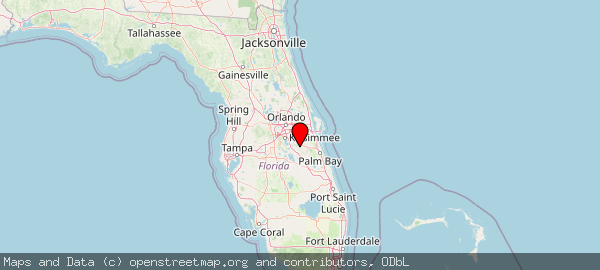
To: Osceola County Board of County Commissioners, Osceola County Animal Services, and county leadership responsible for animal welfare ordinances
Stop Limiting Lifesaving: Fix Osceola County’s Dog Limit for Rescues and Fosters
We are seeking a revision to the current Osceola County animal ordinance that limits the number of dogs allowed per household, which currently restricts residents to a maximum of four dogs and defines puppies over eight weeks of age as individual animals under that limit.
While this ordinance may be appropriate for the general public, it unintentionally creates barriers for licensed and responsible animal rescues and foster caregivers who are actively working to save lives and reduce shelter overcrowding within Osceola County.
We are requesting the following changes:
• Exemption or increased limits for registered 501(c)(3) animal rescues and their approved foster homes, allowing them to exceed the four-dog limit when providing temporary, humane care for animals in need.
• Adjustment of the age classification for puppies, changing the current threshold from eight weeks to a more appropriate age such as six months or one year, recognizing that young litters are often kept together during critical developmental stages.
These changes would:
• Support lifesaving rescue efforts in Osceola County
• Reduce overcrowding in local shelters, including Osceola County Animal Services
• Allow fosters to care for litters without being penalized
• Promote responsible, regulated rescue work rather than forcing it underground
We believe these revisions can be implemented responsibly by requiring proof of nonprofit status, foster approval, and adherence to basic animal welfare standards.
By modernizing this ordinance, Osceola County can better support those who are stepping up to protect its most vulnerable animals.
While this ordinance may be appropriate for the general public, it unintentionally creates barriers for licensed and responsible animal rescues and foster caregivers who are actively working to save lives and reduce shelter overcrowding within Osceola County.
We are requesting the following changes:
• Exemption or increased limits for registered 501(c)(3) animal rescues and their approved foster homes, allowing them to exceed the four-dog limit when providing temporary, humane care for animals in need.
• Adjustment of the age classification for puppies, changing the current threshold from eight weeks to a more appropriate age such as six months or one year, recognizing that young litters are often kept together during critical developmental stages.
These changes would:
• Support lifesaving rescue efforts in Osceola County
• Reduce overcrowding in local shelters, including Osceola County Animal Services
• Allow fosters to care for litters without being penalized
• Promote responsible, regulated rescue work rather than forcing it underground
We believe these revisions can be implemented responsibly by requiring proof of nonprofit status, foster approval, and adherence to basic animal welfare standards.
By modernizing this ordinance, Osceola County can better support those who are stepping up to protect its most vulnerable animals.
Why is this important?
Every day in Osceola County, dogs and cats—especially vulnerable puppies and litters—are at risk due to overcrowded shelters and limited placement options.
According to recent data, 4,451 animals entered the shelter, but only 3,465 were saved, resulting in a 78% save rate. That leaves a gap of over 500 animals who are not making it out alive. For dogs specifically, the save rate is 71%, meaning hundreds of dogs remain at risk.
At the same time, community members and rescuers are facing increasing difficulty accessing shelter support. There are ongoing challenges with intake availability, including limited acceptance of cats, strays, and owner surrenders. This leaves many animals with nowhere to go—often remaining on the streets, where they face illness, injury, or death.
Animal rescues and foster families are critical to filling this gap. They step in when shelters are full—taking in litters, bottle babies, and at-risk animals who would otherwise have no chance. However, the current ordinance in Osceola County limiting households to four dogs—and counting puppies over eight weeks individually—directly prevents fosters from helping when they are needed most.
This means: • Litters cannot stay together in foster care
• Rescues are forced to turn animals away
• More animals remain in unsafe conditions
• And ultimately, more lives are lost
By updating this ordinance, Osceola County can:
• Save hundreds of additional lives each year
• Help move closer to true no-kill status
• Reduce the burden on Osceola County Animal Services
• Support responsible rescues who are stepping in where gaps currently exist
This is not about increasing pet ownership limits for the general public—it is about supporting regulated, compassionate rescue efforts that directly reduce suffering and prevent unnecessary deaths.
If we want to close the gap and give every animal a chance, we must remove the barriers that prevent lifesaving help.
According to recent data, 4,451 animals entered the shelter, but only 3,465 were saved, resulting in a 78% save rate. That leaves a gap of over 500 animals who are not making it out alive. For dogs specifically, the save rate is 71%, meaning hundreds of dogs remain at risk.
At the same time, community members and rescuers are facing increasing difficulty accessing shelter support. There are ongoing challenges with intake availability, including limited acceptance of cats, strays, and owner surrenders. This leaves many animals with nowhere to go—often remaining on the streets, where they face illness, injury, or death.
Animal rescues and foster families are critical to filling this gap. They step in when shelters are full—taking in litters, bottle babies, and at-risk animals who would otherwise have no chance. However, the current ordinance in Osceola County limiting households to four dogs—and counting puppies over eight weeks individually—directly prevents fosters from helping when they are needed most.
This means: • Litters cannot stay together in foster care
• Rescues are forced to turn animals away
• More animals remain in unsafe conditions
• And ultimately, more lives are lost
By updating this ordinance, Osceola County can:
• Save hundreds of additional lives each year
• Help move closer to true no-kill status
• Reduce the burden on Osceola County Animal Services
• Support responsible rescues who are stepping in where gaps currently exist
This is not about increasing pet ownership limits for the general public—it is about supporting regulated, compassionate rescue efforts that directly reduce suffering and prevent unnecessary deaths.
If we want to close the gap and give every animal a chance, we must remove the barriers that prevent lifesaving help.