-
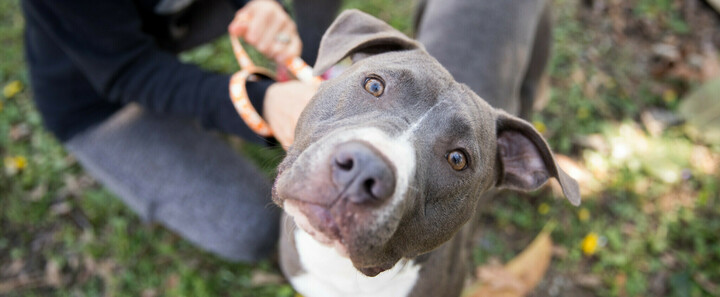 End Breed-Restrictive Insurance Practices in OhioThere is a wide range of dogs falling within the category of “risk” breeds according to some insurance companies including Boxers, Giant Schnauzers, German Shepherds, Chows, Great Danes, Alaskan Malamutes, American Staffordshire Terriers, Akitas, Cane Corsos, American Bulldogs, Belgian Malinois, Keeshonds, Rhodesian Ridgebacks, Ovtcharkas, Siberian Huskies, Dobermans, Pit Bulls, Dalmatians, Rottweilers, Australian Cattle dogs and more. The National Association of Insurance Commissioners [NAIC] should protect pet-owning consumers. Insurance companies should focus on the behavior of the dog. Dogs with aggressive behavior should not be protected by any moratorium. This is important because dogs are viewed by the vast majority of Americans as part of the family, and the ability for people to keep families together should be protected. Breed-restrictive insurance practices can force responsible pet owners to give up their pets and increase the number of pets in shelters. The likelihood a dog will bite is based on many factors such as socialization of the dog, obedience training, supervision provided by the owner, and how the victim interacts with the dog. It has not been proven by scientific evidence that aggressive behavior is present in any particular breed of dog. Insurance companies that want to reduce risk should focus solely on behavior of the dog and the behavior of the owner.518 of 600 Signatures
 -
 End Breed-Restrictive Insurance Practices in UtahThere is a wide range of dogs falling within the category of “risk” breeds according to some insurance companies including Boxers, Giant Schnauzers, German Shepherds, Chows, Great Danes, Alaskan Malamutes, American Staffordshire Terriers, Akitas, Cane Corsos, American Bulldogs, Belgian Malinois, Keeshonds, Rhodesian Ridgebacks, Ovtcharkas, Siberian Huskies, Dobermans, Pit Bulls, Dalmatians, Rottweilers, Australian Cattle dogs and more. The National Association of Insurance Commissioners [NAIC] should protect pet-owning consumers. Insurance companies should focus on the behavior of the dog. Dogs with aggressive behavior should not be protected by any moratorium. This is important because dogs are viewed by the vast majority of Americans as part of the family, and the ability for people to keep families together should be protected. Breed-restrictive insurance practices can force responsible pet owners to give up their pets and increase the number of pets in shelters. The likelihood a dog will bite is based on many factors such as socialization of the dog, obedience training, supervision provided by the owner, and how the victim interacts with the dog. It has not been proven by scientific evidence that aggressive behavior is present in any particular breed of dog. Insurance companies that want to reduce risk should focus solely on behavior of the dog and the behavior of the owner.601 of 800 Signatures
 -
 End Breed-Restrictive Insurance Practices in WashingtonThere is a wide range of dogs falling within the category of “risk” breeds according to some insurance companies including Boxers, Giant Schnauzers, German Shepherds, Chows, Great Danes, Alaskan Malamutes, American Staffordshire Terriers, Akitas, Cane Corsos, American Bulldogs, Belgian Malinois, Keeshonds, Rhodesian Ridgebacks, Ovtcharkas, Siberian Huskies, Dobermans, Pit Bulls, Dalmatians, Rottweilers, Australian Cattle dogs and more. The National Association of Insurance Commissioners [NAIC] should protect pet-owning consumers. Insurance companies should focus on the behavior of the dog. Dogs with aggressive behavior should not be protected by any moratorium. This is important because dogs are viewed by the vast majority of Americans as part of the family, and the ability for people to keep families together should be protected. Breed-restrictive insurance practices can force responsible pet owners to give up their pets and increase the number of pets in shelters. The likelihood a dog will bite is based on many factors such as socialization of the dog, obedience training, supervision provided by the owner, and how the victim interacts with the dog. It has not been proven by scientific evidence that aggressive behavior is present in any particular breed of dog. Insurance companies that want to reduce risk should focus solely on behavior of the dog and the behavior of the owner.469 of 500 Signatures
 -
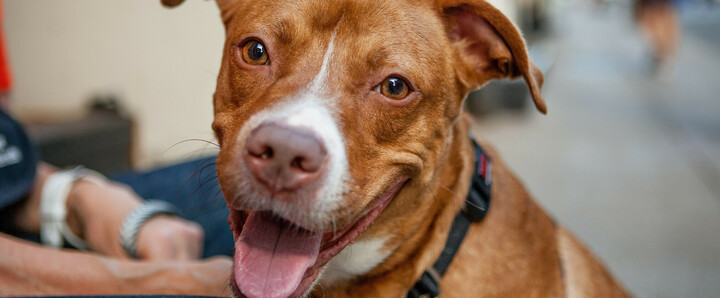 End Breed-Restrictive Insurance Practices in MarylandThere is a wide range of dogs falling within the category of “risk” breeds according to some insurance companies including Boxers, Giant Schnauzers, German Shepherds, Chows, Great Danes, Alaskan Malamutes, American Staffordshire Terriers, Akitas, Cane Corsos, American Bulldogs, Belgian Malinois, Keeshonds, Rhodesian Ridgebacks, Ovtcharkas, Siberian Huskies, Dobermans, Pit Bulls, Dalmatians, Rottweilers, Australian Cattle dogs and more. The National Association of Insurance Commissioners [NAIC] should protect pet-owning consumers. Insurance companies should focus on the behavior of the dog. Dogs with aggressive behavior should not be protected by any moratorium. This is important because dogs are viewed by the vast majority of Americans as part of the family, and the ability for people to keep families together should be protected. Breed-restrictive insurance practices can force responsible pet owners to give up their pets and increase the number of pets in shelters. The likelihood a dog will bite is based on many factors such as socialization of the dog, obedience training, supervision provided by the owner, and how the victim interacts with the dog. It has not been proven by scientific evidence that aggressive behavior is present in any particular breed of dog. Insurance companies that want to reduce risk should focus solely on behavior of the dog and the behavior of the owner.344 of 400 Signatures
 -
 End Breed-Restrictive Insurance Practices in IowaThere is a wide range of dogs falling within the category of “risk” breeds according to some insurance companies including Boxers, Giant Schnauzers, German Shepherds, Chows, Great Danes, Alaskan Malamutes, American Staffordshire Terriers, Akitas, Cane Corsos, American Bulldogs, Belgian Malinois, Keeshonds, Rhodesian Ridgebacks, Ovtcharkas, Siberian Huskies, Dobermans, Pit Bulls, Dalmatians, Rottweilers, Australian Cattle dogs and more. The National Association of Insurance Commissioners [NAIC] should protect pet-owning consumers. Insurance companies should focus on the behavior of the dog. Dogs with aggressive behavior should not be protected by any moratorium. This is important because dogs are viewed by the vast majority of Americans as part of the family, and the ability for people to keep families together should be protected. Breed-restrictive insurance practices can force responsible pet owners to give up their pets and increase the number of pets in shelters. The likelihood a dog will bite is based on many factors such as socialization of the dog, obedience training, supervision provided by the owner, and how the victim interacts with the dog. It has not been proven by scientific evidence that aggressive behavior is present in any particular breed of dog. Insurance companies that want to reduce risk should focus solely on behavior of the dog and the behavior of the owner.205 of 300 Signatures
 -
 End Breed-Restrictive Insurance Practices in VermontThere is a wide range of dogs falling within the category of “risk” breeds according to some insurance companies including Boxers, Giant Schnauzers, German Shepherds, Chows, Great Danes, Alaskan Malamutes, American Staffordshire Terriers, Akitas, Cane Corsos, American Bulldogs, Belgian Malinois, Keeshonds, Rhodesian Ridgebacks, Ovtcharkas, Siberian Huskies, Dobermans, Pit Bulls, Dalmatians, Rottweilers, Australian Cattle dogs and more. The National Association of Insurance Commissioners [NAIC] should protect pet-owning consumers. Insurance companies should focus on the behavior of the dog. Dogs with aggressive behavior should not be protected by any moratorium. This is important because dogs are viewed by the vast majority of Americans as part of the family, and the ability for people to keep families together should be protected. Breed-restrictive insurance practices can force responsible pet owners to give up their pets and increase the number of pets in shelters. The likelihood a dog will bite is based on many factors such as socialization of the dog, obedience training, supervision provided by the owner, and how the victim interacts with the dog. It has not been proven by scientific evidence that aggressive behavior is present in any particular breed of dog. Insurance companies that want to reduce risk should focus solely on behavior of the dog and the behavior of the owner.175 of 200 Signatures
 -
 End Breed-Restrictive Insurance Practices in Washington DCThere is a wide range of dogs falling within the category of “risk” breeds according to some insurance companies including Boxers, Giant Schnauzers, German Shepherds, Chows, Great Danes, Alaskan Malamutes, American Staffordshire Terriers, Akitas, Cane Corsos, American Bulldogs, Belgian Malinois, Keeshonds, Rhodesian Ridgebacks, Ovtcharkas, Siberian Huskies, Dobermans, Pit Bulls, Dalmatians, Rottweilers, Australian Cattle dogs and more. The National Association of Insurance Commissioners [NAIC] should protect pet-owning consumers. Insurance companies should focus on the behavior of the dog. Dogs with aggressive behavior should not be protected by any moratorium. This is important because dogs are viewed by the vast majority of Americans as part of the family, and the ability for people to keep families together should be protected. Breed-restrictive insurance practices can force responsible pet owners to give up their pets and increase the number of pets in shelters. The likelihood a dog will bite is based on many factors such as socialization of the dog, obedience training, supervision provided by the owner, and how the victim interacts with the dog. It has not been proven by scientific evidence that aggressive behavior is present in any particular breed of dog. Insurance companies that want to reduce risk should focus solely on behavior of the dog and the behavior of the owner.120 of 200 Signatures
 -
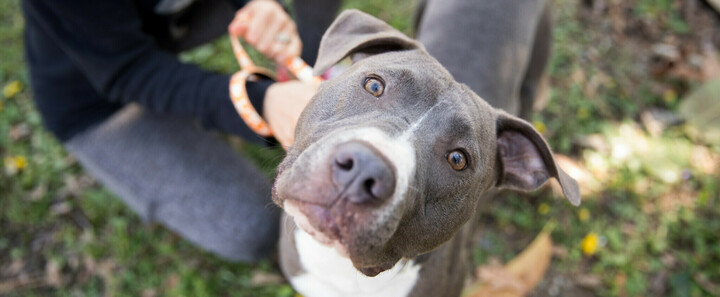 End Breed-Restrictive Insurance Practices in MinnesotaThere is a wide range of dogs falling within the category of “risk” breeds according to some insurance companies including Boxers, Giant Schnauzers, German Shepherds, Chows, Great Danes, Alaskan Malamutes, American Staffordshire Terriers, Akitas, Cane Corsos, American Bulldogs, Belgian Malinois, Keeshonds, Rhodesian Ridgebacks, Ovtcharkas, Siberian Huskies, Dobermans, Pit Bulls, Dalmatians, Rottweilers, Australian Cattle dogs and more. The National Association of Insurance Commissioners [NAIC] should protect pet-owning consumers. Insurance companies should focus on the behavior of the dog. Dogs with aggressive behavior should not be protected by any moratorium. This is important because dogs are viewed by the vast majority of Americans as part of the family, and the ability for people to keep families together should be protected. Breed-restrictive insurance practices can force responsible pet owners to give up their pets and increase the number of pets in shelters. The likelihood a dog will bite is based on many factors such as socialization of the dog, obedience training, supervision provided by the owner, and how the victim interacts with the dog. It has not been proven by scientific evidence that aggressive behavior is present in any particular breed of dog. Insurance companies that want to reduce risk should focus solely on behavior of the dog and the behavior of the owner.470 of 500 Signatures
 -
 End Breed-Restrictive Insurance Practices in New MexicoThere is a wide range of dogs falling within the category of “risk” breeds according to some insurance companies including Boxers, Giant Schnauzers, German Shepherds, Chows, Great Danes, Alaskan Malamutes, American Staffordshire Terriers, Akitas, Cane Corsos, American Bulldogs, Belgian Malinois, Keeshonds, Rhodesian Ridgebacks, Ovtcharkas, Siberian Huskies, Dobermans, Pit Bulls, Dalmatians, Rottweilers, Australian Cattle dogs and more. The National Association of Insurance Commissioners [NAIC] should protect pet-owning consumers. Insurance companies should focus on the behavior of the dog. Dogs with aggressive behavior should not be protected by any moratorium. This is important because dogs are viewed by the vast majority of Americans as part of the family, and the ability for people to keep families together should be protected. Breed-restrictive insurance practices can force responsible pet owners to give up their pets and increase the number of pets in shelters. The likelihood a dog will bite is based on many factors such as socialization of the dog, obedience training, supervision provided by the owner, and how the victim interacts with the dog. It has not been proven by scientific evidence that aggressive behavior is present in any particular breed of dog. Insurance companies that want to reduce risk should focus solely on behavior of the dog and the behavior of the owner.252 of 300 Signatures
 -
 End Breed-Restrictive Insurance Practices in GeorgiaThere is a wide range of dogs falling within the category of “risk” breeds according to some insurance companies including Boxers, Giant Schnauzers, German Shepherds, Chows, Great Danes, Alaskan Malamutes, American Staffordshire Terriers, Akitas, Cane Corsos, American Bulldogs, Belgian Malinois, Keeshonds, Rhodesian Ridgebacks, Ovtcharkas, Siberian Huskies, Dobermans, Pit Bulls, Dalmatians, Rottweilers, Australian Cattle dogs and more. The National Association of Insurance Commissioners [NAIC] should protect pet-owning consumers. Insurance companies should focus on the behavior of the dog. Dogs with aggressive behavior should not be protected by any moratorium. This is important because dogs are viewed by the vast majority of Americans as part of the family, and the ability for people to keep families together should be protected. Breed-restrictive insurance practices can force responsible pet owners to give up their pets and increase the number of pets in shelters. The likelihood a dog will bite is based on many factors such as socialization of the dog, obedience training, supervision provided by the owner, and how the victim interacts with the dog. It has not been proven by scientific evidence that aggressive behavior is present in any particular breed of dog. Insurance companies that want to reduce risk should focus solely on behavior of the dog and the behavior of the owner.1,480 of 2,000 Signatures
 -
 End Breed-Restrictive Insurance Practices in New HampshireThere is a wide range of dogs falling within the category of “risk” breeds according to some insurance companies including Boxers, Giant Schnauzers, German Shepherds, Chows, Great Danes, Alaskan Malamutes, American Staffordshire Terriers, Akitas, Cane Corsos, American Bulldogs, Belgian Malinois, Keeshonds, Rhodesian Ridgebacks, Ovtcharkas, Siberian Huskies, Dobermans, Pit Bulls, Dalmatians, Rottweilers, Australian Cattle dogs and more. The National Association of Insurance Commissioners [NAIC] should protect pet-owning consumers. Insurance companies should focus on the behavior of the dog. Dogs with aggressive behavior should not be protected by any moratorium. This is important because dogs are viewed by the vast majority of Americans as part of the family, and the ability for people to keep families together should be protected. Breed-restrictive insurance practices can force responsible pet owners to give up their pets and increase the number of pets in shelters. The likelihood a dog will bite is based on many factors such as socialization of the dog, obedience training, supervision provided by the owner, and how the victim interacts with the dog. It has not been proven by scientific evidence that aggressive behavior is present in any particular breed of dog. Insurance companies that want to reduce risk should focus solely on behavior of the dog and the behavior of the owner.198 of 200 Signatures
 -
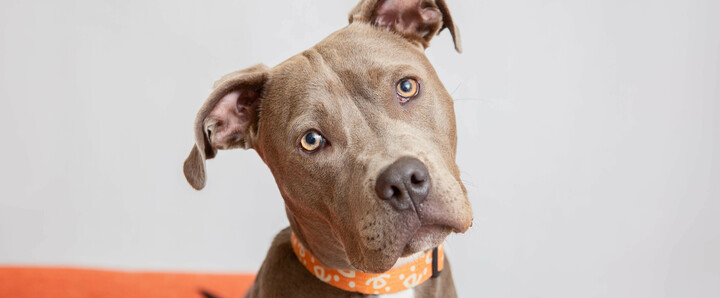 End Breed-Restrictive Insurance Practices in HawaiiThere is a wide range of dogs falling within the category of “risk” breeds according to some insurance companies including Boxers, Giant Schnauzers, German Shepherds, Chows, Great Danes, Alaskan Malamutes, American Staffordshire Terriers, Akitas, Cane Corsos, American Bulldogs, Belgian Malinois, Keeshonds, Rhodesian Ridgebacks, Ovtcharkas, Siberian Huskies, Dobermans, Pit Bulls, Dalmatians, Rottweilers, Australian Cattle dogs and more. The National Association of Insurance Commissioners [NAIC] should protect pet-owning consumers. Insurance companies should focus on the behavior of the dog. Dogs with aggressive behavior should not be protected by any moratorium. This is important because dogs are viewed by the vast majority of Americans as part of the family, and the ability for people to keep families together should be protected. Breed-restrictive insurance practices can force responsible pet owners to give up their pets and increase the number of pets in shelters. The likelihood a dog will bite is based on many factors such as socialization of the dog, obedience training, supervision provided by the owner, and how the victim interacts with the dog. It has not been proven by scientific evidence that aggressive behavior is present in any particular breed of dog. Insurance companies that want to reduce risk should focus solely on behavior of the dog and the behavior of the owner.204 of 300 Signatures