
100 signatures reached
To: Robert Charles Brannan Ill, Kevin Parnell, Rocky Ford, Tim Murphy, Robby Hollingsworth, Everette Phillips
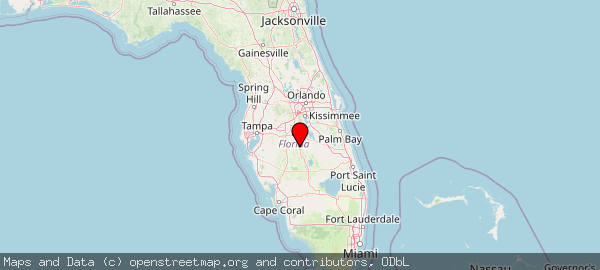
TNR PROGRAMS - Lake City Florida - Columbia County
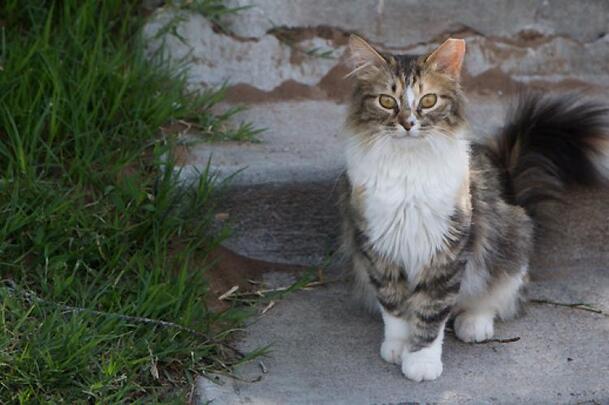
Provide dedicated funding for Trap-Neuter-Return (TNR) programs to manage the feral cat population in Columbia County.
Partner with local animal welfare organizations, such as The Ranch Rescue and Columbia County Animal Services (which currently has nothing in place for cats of the county) to effectively implement TNR programs.
Create and distribute educational materials to inform the public about the benefits of TNR, responsible pet ownership, and the importance of spaying/ neutering.
Create and distribute educational materials to inform the public about the benefits of TNR, responsible pet ownership, and the importance of spaying/ neutering.
Why is this important?
The overpopulation of cats in Columbia County strains local shelters and poses public health concerns due to a lack of vaccinations and spay/neuter services.
A rabies outbreak in the county could have devastating consequences.
Florida's feral cat population is estimated to be between 6.3 million to 9.6 million.
An independent review suggests a more conservative estimate of 2.7 million to 2.8 million feral cats in Florida, making up about 44% of all cats in the state.
Each female feral cat can have up to three litters a year, leading to rapid population growth if not managed.
The increasing feral cat population affects local businesses and the overall health and safety of the community.
These programs are also proven to be the most cost-effective, veterinarian-approved, and animal-friendly solution for controlling and reducing free-roaming cat populations.
A rabies outbreak in the county could have devastating consequences.
Florida's feral cat population is estimated to be between 6.3 million to 9.6 million.
An independent review suggests a more conservative estimate of 2.7 million to 2.8 million feral cats in Florida, making up about 44% of all cats in the state.
Each female feral cat can have up to three litters a year, leading to rapid population growth if not managed.
The increasing feral cat population affects local businesses and the overall health and safety of the community.
These programs are also proven to be the most cost-effective, veterinarian-approved, and animal-friendly solution for controlling and reducing free-roaming cat populations.