-
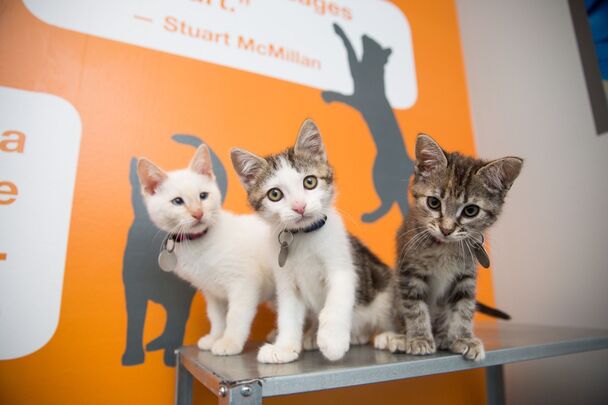 Tell Woodland Hills City Council: Support Lifesaving Programs for CatsIn 2024, over 4,300 cats entered Utah County shelters, and only 60% made it out alive. Community cats (aka stray or free-roaming cats) are losing their lives simply because they've made a home outdoors. In many cases, they are brought to NUVAS or SUVAS where they have a 40% chance of being killed. Many of these cats thrive living outdoors because community members care for and about them. That's where community cat programs come in. These programs use trap-neuter-vaccinate-return (TNVR) to save cats. The process is simple: Community cats are trapped, evaluated by veterinarians, vaccinated, spayed or neutered, ear-tipped, and returned to their outdoor homes, unable to have kittens. Lifesaving programs like these are proven to be the most cost-effective, veterinarian-approved, and animal-friendly solutions for improving the health of and reducing free-roaming cat populations. By aligning city ordinances with state law, Utah County can save lives, reduce taxpayer costs, and build healthier, safer communities for both people and pets. Reference the facts: Utah Code Community Cat Act 11-46-301 - https://le.utah.gov/xcode/Title11/Chapter46/C11-46-P3_1800010118000101.pdf Community cats and public health: https://www.felineresearch.org/post/issue-brief-feral-cats-and-public-health TNR and population management: https://www.felineresearch.org/post/issue-brief-what-to-do-with-feral-cats-examining-tnr Cat health and welfare with TNR: https://www.felineresearch.org/post/issue-brief-feral-cat-health5 de 100 Firmas
 -
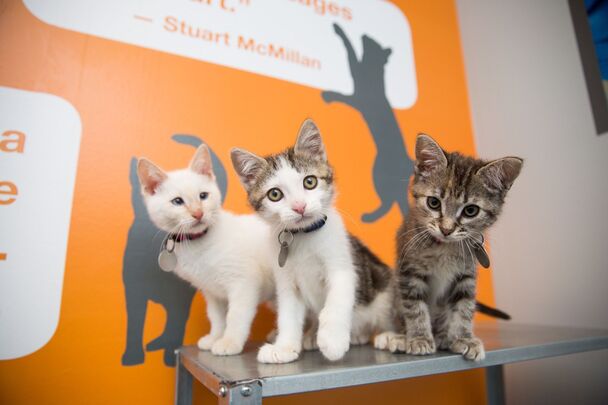 Tell Alpine City City Council: Support Lifesaving Programs for CatsIn 2024, over 4,300 cats entered Utah County shelters, and only 60% made it out alive. Community cats (aka stray or free-roaming cats) are losing their lives simply because they've made a home outdoors. In many cases, they are brought to NUVAS or SUVAS where they have a 40% chance of being killed. Many of these cats thrive living outdoors because community members care for and about them. That's where community cat programs come in. These programs use trap-neuter-vaccinate-return (TNVR) to save cats. The process is simple: Community cats are trapped, evaluated by veterinarians, vaccinated, spayed or neutered, ear-tipped, and returned to their outdoor homes, unable to have kittens. Lifesaving programs like these are proven to be the most cost-effective, veterinarian-approved, and animal-friendly solutions for improving the health of and reducing free-roaming cat populations. By aligning city ordinances with state law, Utah County can save lives, reduce taxpayer costs, and build healthier, safer communities for both people and pets. Reference the facts: Utah Code Community Cat Act 11-46-301 - https://le.utah.gov/xcode/Title11/Chapter46/C11-46-P3_1800010118000101.pdf Community cats and public health: https://www.felineresearch.org/post/issue-brief-feral-cats-and-public-health TNR and population management: https://www.felineresearch.org/post/issue-brief-what-to-do-with-feral-cats-examining-tnr Cat health and welfare with TNR: https://www.felineresearch.org/post/issue-brief-feral-cat-health4 de 100 Firmas
 -
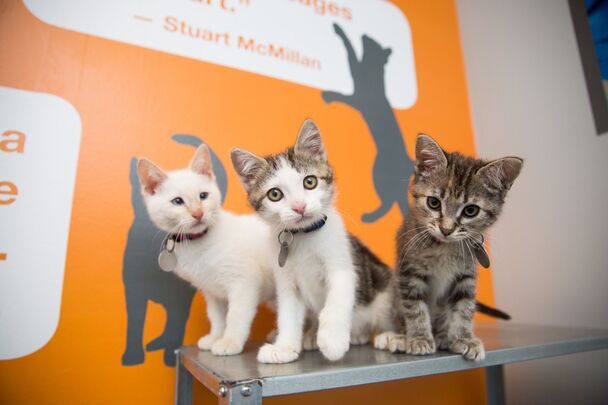 Tell Mapleton City Council: Support Lifesaving Programs for CatsIn 2024, over 4,300 cats entered Utah County shelters, and only 60% made it out alive. Community cats (aka stray or free-roaming cats) are losing their lives simply because they've made a home outdoors. In many cases, they are brought to NUVAS or SUVAS where they have a 40% chance of being killed. Many of these cats thrive living outdoors because community members care for and about them. That's where community cat programs come in. These programs use trap-neuter-vaccinate-return (TNVR) to save cats. The process is simple: Community cats are trapped, evaluated by veterinarians, vaccinated, spayed or neutered, ear-tipped, and returned to their outdoor homes, unable to have kittens. Lifesaving programs like these are proven to be the most cost-effective, veterinarian-approved, and animal-friendly solutions for improving the health of and reducing free-roaming cat populations. By aligning city ordinances with state law, Utah County can save lives, reduce taxpayer costs, and build healthier, safer communities for both people and pets. Reference the facts: Utah Code Community Cat Act 11-46-301 - https://le.utah.gov/xcode/Title11/Chapter46/C11-46-P3_1800010118000101.pdf Community cats and public health: https://www.felineresearch.org/post/issue-brief-feral-cats-and-public-health TNR and population management: https://www.felineresearch.org/post/issue-brief-what-to-do-with-feral-cats-examining-tnr Cat health and welfare with TNR: https://www.felineresearch.org/post/issue-brief-feral-cat-health8 de 100 Firmas
 -
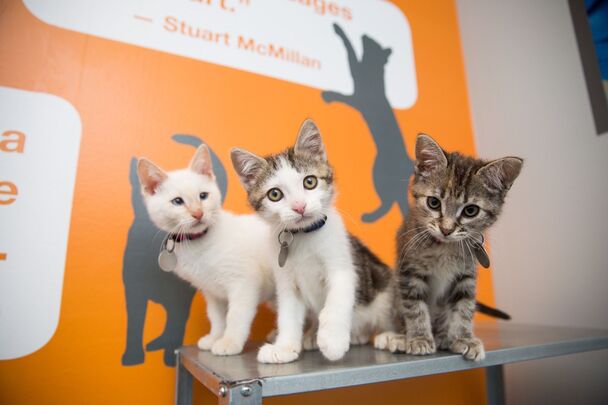 Tell Santaquin City Council: Support Lifesaving Programs for CatsIn 2024, over 4,300 cats entered Utah County shelters, and only 60% made it out alive. Community cats (aka stray or free-roaming cats) are losing their lives simply because they've made a home outdoors. In many cases, they are brought to NUVAS or SUVAS where they have a 40% chance of being killed. Many of these cats thrive living outdoors because community members care for and about them. That's where community cat programs come in. These programs use trap-neuter-vaccinate-return (TNVR) to save cats. The process is simple: Community cats are trapped, evaluated by veterinarians, vaccinated, spayed or neutered, ear-tipped, and returned to their outdoor homes, unable to have kittens. Lifesaving programs like these are proven to be the most cost-effective, veterinarian-approved, and animal-friendly solutions for improving the health of and reducing free-roaming cat populations. By aligning city ordinances with state law, Utah County can save lives, reduce taxpayer costs, and build healthier, safer communities for both people and pets. Reference the facts: Utah Code Community Cat Act 11-46-301 - https://le.utah.gov/xcode/Title11/Chapter46/C11-46-P3_1800010118000101.pdf Community cats and public health: https://www.felineresearch.org/post/issue-brief-feral-cats-and-public-health TNR and population management: https://www.felineresearch.org/post/issue-brief-what-to-do-with-feral-cats-examining-tnr Cat health and welfare with TNR: https://www.felineresearch.org/post/issue-brief-feral-cat-health5 de 100 Firmas
 -
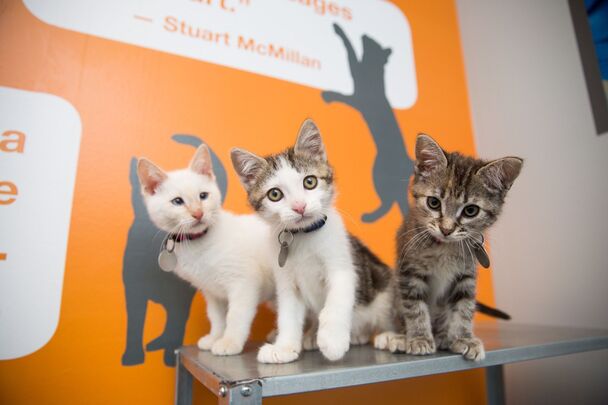 Tell Eagle Mountain City Council: Support Lifesaving Programs for CatsIn 2024, over 4,300 cats entered Utah County shelters, and only 60% made it out alive. Community cats (aka stray or free-roaming cats) are losing their lives simply because they've made a home outdoors. In many cases, they are brought to NUVAS or SUVAS where they have a 40% chance of being killed. Many of these cats thrive living outdoors because community members care for and about them. That's where community cat programs come in. These programs use trap-neuter-vaccinate-return (TNVR) to save cats. The process is simple: Community cats are trapped, evaluated by veterinarians, vaccinated, spayed or neutered, ear-tipped, and returned to their outdoor homes, unable to have kittens. Lifesaving programs like these are proven to be the most cost-effective, veterinarian-approved, and animal-friendly solutions for improving the health of and reducing free-roaming cat populations. By aligning city ordinances with state law, Utah County can save lives, reduce taxpayer costs, and build healthier, safer communities for both people and pets. Reference the facts: Utah Code Community Cat Act 11-46-301 - https://le.utah.gov/xcode/Title11/Chapter46/C11-46-P3_1800010118000101.pdf Community cats and public health: https://www.felineresearch.org/post/issue-brief-feral-cats-and-public-health TNR and population management: https://www.felineresearch.org/post/issue-brief-what-to-do-with-feral-cats-examining-tnr Cat health and welfare with TNR: https://www.felineresearch.org/post/issue-brief-feral-cat-health7 de 100 Firmas
 -
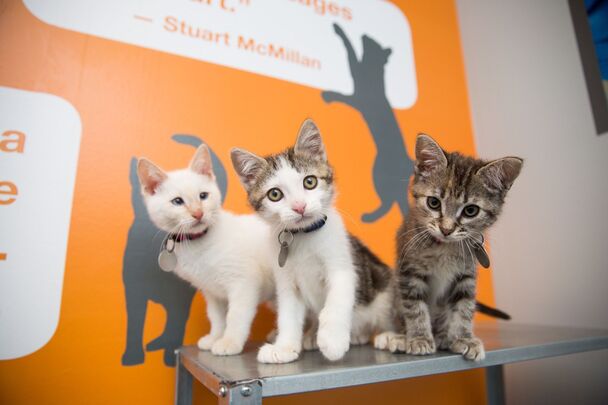 Tell Lindon City Council: Support Lifesaving Programs for CatsIn 2024, over 4,300 cats entered Utah County shelters, and only 60% made it out alive. Community cats (aka stray or free-roaming cats) are losing their lives simply because they've made a home outdoors. In many cases, they are brought to NUVAS or SUVAS where they have a 40% chance of being killed. Many of these cats thrive living outdoors because community members care for and about them. That's where community cat programs come in. These programs use trap-neuter-vaccinate-return (TNVR) to save cats. The process is simple: Community cats are trapped, evaluated by veterinarians, vaccinated, spayed or neutered, ear-tipped, and returned to their outdoor homes, unable to have kittens. Lifesaving programs like these are proven to be the most cost-effective, veterinarian-approved, and animal-friendly solutions for improving the health of and reducing free-roaming cat populations. By aligning city ordinances with state law, Utah County can save lives, reduce taxpayer costs, and build healthier, safer communities for both people and pets. Reference the facts: Utah Code Community Cat Act 11-46-301 - https://le.utah.gov/xcode/Title11/Chapter46/C11-46-P3_1800010118000101.pdf Community cats and public health: https://www.felineresearch.org/post/issue-brief-feral-cats-and-public-health TNR and population management: https://www.felineresearch.org/post/issue-brief-what-to-do-with-feral-cats-examining-tnr Cat health and welfare with TNR: https://www.felineresearch.org/post/issue-brief-feral-cat-health5 de 100 Firmas
 -
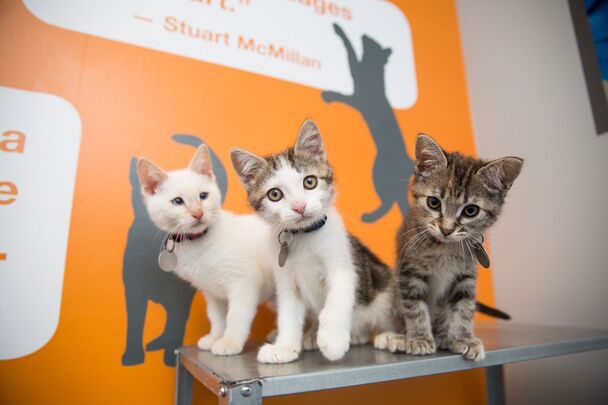 Tell Cedar Fort City Council: Support Lifesaving Programs for CatsIn 2024, over 4,300 cats entered Utah County shelters, and only 60% made it out alive. Community cats (aka stray or free-roaming cats) are losing their lives simply because they've made a home outdoors. In many cases, they are brought to NUVAS or SUVAS where they have a 40% chance of being killed. Many of these cats thrive living outdoors because community members care for and about them. That's where community cat programs come in. These programs use trap-neuter-vaccinate-return (TNVR) to save cats. The process is simple: Community cats are trapped, evaluated by veterinarians, vaccinated, spayed or neutered, ear-tipped, and returned to their outdoor homes, unable to have kittens. Lifesaving programs like these are proven to be the most cost-effective, veterinarian-approved, and animal-friendly solutions for improving the health of and reducing free-roaming cat populations. By aligning city ordinances with state law, Utah County can save lives, reduce taxpayer costs, and build healthier, safer communities for both people and pets. Reference the facts: Utah Code Community Cat Act 11-46-301 - https://le.utah.gov/xcode/Title11/Chapter46/C11-46-P3_1800010118000101.pdf Community cats and public health: https://www.felineresearch.org/post/issue-brief-feral-cats-and-public-health TNR and population management: https://www.felineresearch.org/post/issue-brief-what-to-do-with-feral-cats-examining-tnr Cat health and welfare with TNR: https://www.felineresearch.org/post/issue-brief-feral-cat-health2 de 100 Firmas
 -
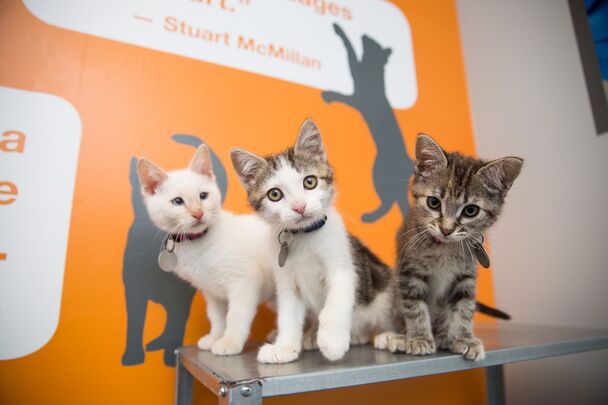 Tell Vineyard City Council: Support Lifesaving Programs for CatsIn 2024, over 4,300 cats entered Utah County shelters, and only 60% made it out alive. Community cats (aka stray or free-roaming cats) are losing their lives simply because they've made a home outdoors. In many cases, they are brought to NUVAS or SUVAS where they have a 40% chance of being killed. Many of these cats thrive living outdoors because community members care for and about them. That's where community cat programs come in. These programs use trap-neuter-vaccinate-return (TNVR) to save cats. The process is simple: Community cats are trapped, evaluated by veterinarians, vaccinated, spayed or neutered, ear-tipped, and returned to their outdoor homes, unable to have kittens. Lifesaving programs like these are proven to be the most cost-effective, veterinarian-approved, and animal-friendly solutions for improving the health of and reducing free-roaming cat populations. By aligning city ordinances with state law, Utah County can save lives, reduce taxpayer costs, and build healthier, safer communities for both people and pets. Reference the facts: Utah Code Community Cat Act 11-46-301 - https://le.utah.gov/xcode/Title11/Chapter46/C11-46-P3_1800010118000101.pdf Community cats and public health: https://www.felineresearch.org/post/issue-brief-feral-cats-and-public-health TNR and population management: https://www.felineresearch.org/post/issue-brief-what-to-do-with-feral-cats-examining-tnr Cat health and welfare with TNR: https://www.felineresearch.org/post/issue-brief-feral-cat-health4 de 100 Firmas
 -
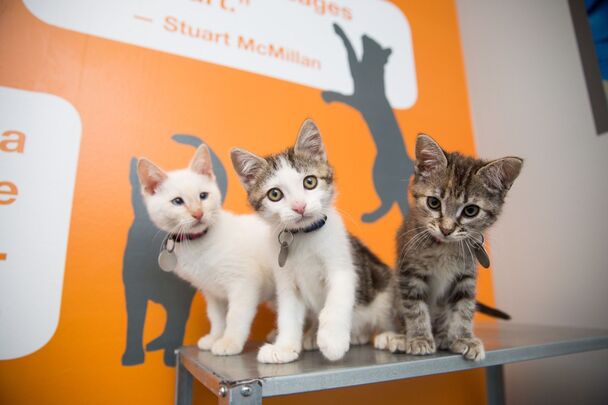 Tell Spanish Fork City Council: Support Lifesaving Programs for CatsIn 2024, over 4,300 cats entered Utah County shelters, and only 60% made it out alive. Community cats (aka stray or free-roaming cats) are losing their lives simply because they've made a home outdoors. In many cases, they are brought to NUVAS or SUVAS where they have a 40% chance of being killed. Many of these cats thrive living outdoors because community members care for and about them. That's where community cat programs come in. These programs use trap-neuter-vaccinate-return (TNVR) to save cats. The process is simple: Community cats are trapped, evaluated by veterinarians, vaccinated, spayed or neutered, ear-tipped, and returned to their outdoor homes, unable to have kittens. Lifesaving programs like these are proven to be the most cost-effective, veterinarian-approved, and animal-friendly solutions for improving the health of and reducing free-roaming cat populations. By aligning city ordinances with state law, Utah County can save lives, reduce taxpayer costs, and build healthier, safer communities for both people and pets. Reference the facts: Utah Code Community Cat Act 11-46-301 - https://le.utah.gov/xcode/Title11/Chapter46/C11-46-P3_1800010118000101.pdf Community cats and public health: https://www.felineresearch.org/post/issue-brief-feral-cats-and-public-health TNR and population management: https://www.felineresearch.org/post/issue-brief-what-to-do-with-feral-cats-examining-tnr Cat health and welfare with TNR: https://www.felineresearch.org/post/issue-brief-feral-cat-health7 de 100 Firmas
 -
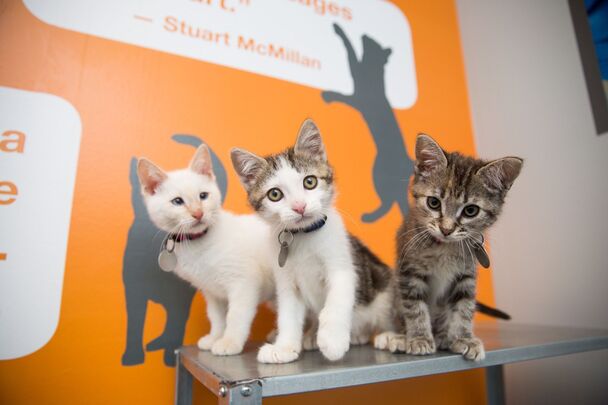 Tell Highland City Council: Support Lifesaving Programs for CatsIn 2024, over 4,300 cats entered Utah County shelters, and only 60% made it out alive. Community cats (aka stray or free-roaming cats) are losing their lives simply because they've made a home outdoors. In many cases, they are brought to NUVAS or SUVAS where they have a 40% chance of being killed. Many of these cats thrive living outdoors because community members care for and about them. That's where community cat programs come in. These programs use trap-neuter-vaccinate-return (TNVR) to save cats. The process is simple: Community cats are trapped, evaluated by veterinarians, vaccinated, spayed or neutered, ear-tipped, and returned to their outdoor homes, unable to have kittens. Lifesaving programs like these are proven to be the most cost-effective, veterinarian-approved, and animal-friendly solutions for improving the health of and reducing free-roaming cat populations. By aligning city ordinances with state law, Utah County can save lives, reduce taxpayer costs, and build healthier, safer communities for both people and pets. Reference the facts: Utah Code Community Cat Act 11-46-301 - https://le.utah.gov/xcode/Title11/Chapter46/C11-46-P3_1800010118000101.pdf Community cats and public health: https://www.felineresearch.org/post/issue-brief-feral-cats-and-public-health TNR and population management: https://www.felineresearch.org/post/issue-brief-what-to-do-with-feral-cats-examining-tnr Cat health and welfare with TNR: https://www.felineresearch.org/post/issue-brief-feral-cat-health2 de 100 Firmas
 -
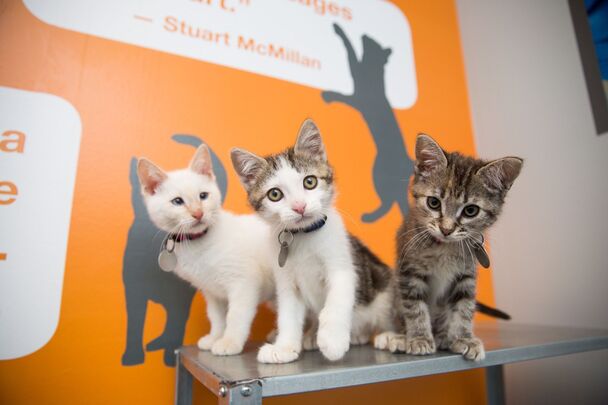 Leadership of Utah County*In 2024, over 4,300 cats entered Utah County shelters, and only 60% made it out alive. Community cats (aka stray or free-roaming cats) are losing their lives simply because they've made a home outdoors. In many cases, they are brought to NUVAS or SUVAS where they have a 40% chance of being killed. Many of these cats thrive living outdoors because community members care for and about them. That's where community cat programs come in. These programs use trap-neuter-vaccinate-return (TNVR) to save cats. The process is simple: Community cats are trapped, evaluated by veterinarians, vaccinated, spayed or neutered, ear-tipped, and returned to their outdoor homes, unable to have kittens. Lifesaving programs like these are proven to be the most cost-effective, veterinarian-approved, and animal-friendly solutions for improving the health of and reducing free-roaming cat populations. By aligning city ordinances with state law, Utah County can save lives, reduce taxpayer costs, and build healthier, safer communities for both people and pets. Reference the facts: Utah Code Community Cat Act 11-46-301 - https://le.utah.gov/xcode/Title11/Chapter46/C11-46-P3_1800010118000101.pdf Community cats and public health: https://www.felineresearch.org/post/issue-brief-feral-cats-and-public-health TNR and population management: https://www.felineresearch.org/post/issue-brief-what-to-do-with-feral-cats-examining-tnr Cat health and welfare with TNR: https://www.felineresearch.org/post/issue-brief-feral-cat-health43 de 100 Firmas
 -
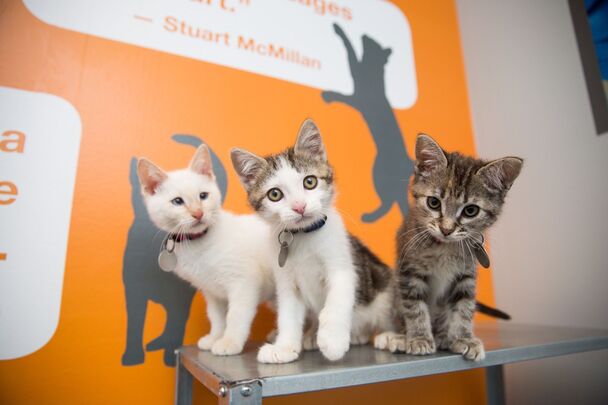 Tell Utah County City Council: Support Lifesaving Programs for CatsIn 2024, over 4,300 cats entered Utah County shelters, and only 60% made it out alive. Community cats (aka stray or free-roaming cats) are losing their lives simply because they've made a home outdoors. In many cases, they are brought to NUVAS or SUVAS where they have a 40% chance of being killed. Many of these cats thrive living outdoors because community members care for and about them. That's where community cat programs come in. These programs use trap-neuter-vaccinate-return (TNVR) to save cats. The process is simple: Community cats are trapped, evaluated by veterinarians, vaccinated, spayed or neutered, ear-tipped, and returned to their outdoor homes, unable to have kittens. Lifesaving programs like these are proven to be the most cost-effective, veterinarian-approved, and animal-friendly solutions for improving the health of and reducing free-roaming cat populations. By aligning city ordinances with state law, Utah County can save lives, reduce taxpayer costs, and build healthier, safer communities for both people and pets. Reference the facts: Utah Code Community Cat Act 11-46-301 - https://le.utah.gov/xcode/Title11/Chapter46/C11-46-P3_1800010118000101.pdf Community cats and public health: https://www.felineresearch.org/post/issue-brief-feral-cats-and-public-health TNR and population management: https://www.felineresearch.org/post/issue-brief-what-to-do-with-feral-cats-examining-tnr Cat health and welfare with TNR: https://www.felineresearch.org/post/issue-brief-feral-cat-health6 de 100 Firmas