
Helping Cats Where They Are
Find your local campaign
Your Location
Campaigns (22)
-
Riverside
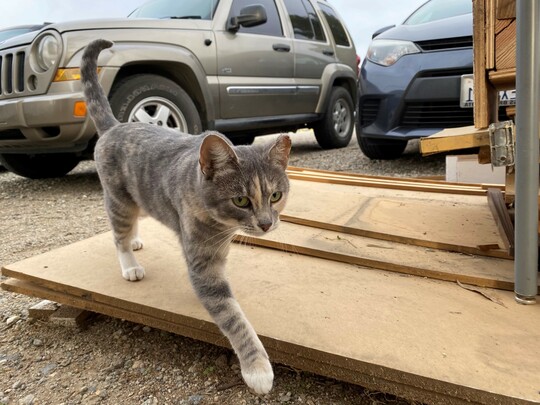.jpg) Support Community Cat programs in RiversideCommunity cats (aka stray or free-roaming cats) risk losing their lives simply because they've made a home in the outdoors. In many cases, they are brought to local shelters, where they are unlikely to get adopted because many of them aren't socialized to people. Many of these cats are thriving living outdoors because someone in their community cares for them. That's where community cat programs come in. These programs use trap-neuter-return (TNR) to save cats. The process is simple: Community cats are trapped, evaluated by veterinarians, vaccinated, spayed or neutered, ear-tipped, and returned to their outdoor homes, unable to have kittens. Three years ago, in partnership with Best Friends, Riverside County Dept. Of Animal Services took on this approach by welcoming a community cat program at their Coachella Valley Animal Campus location. By early 2020, as many as 10,000 eligible cats were spayed and neutered through the program. The work continues today on a smaller scale due to physical and financial limitations brought on by the pandemic, leaving many community members and cats without this necessary resource. You can help save the lives of community cats and support the people who care for them, by advocating for community cat programs and other lifesaving efforts to be implemented throughout Riverside County. Thank you for supporting community cats in your neighborhood, and for everything that you do for the animals!819 of 1,000 SignaturesCreated by Carol R.
Support Community Cat programs in RiversideCommunity cats (aka stray or free-roaming cats) risk losing their lives simply because they've made a home in the outdoors. In many cases, they are brought to local shelters, where they are unlikely to get adopted because many of them aren't socialized to people. Many of these cats are thriving living outdoors because someone in their community cares for them. That's where community cat programs come in. These programs use trap-neuter-return (TNR) to save cats. The process is simple: Community cats are trapped, evaluated by veterinarians, vaccinated, spayed or neutered, ear-tipped, and returned to their outdoor homes, unable to have kittens. Three years ago, in partnership with Best Friends, Riverside County Dept. Of Animal Services took on this approach by welcoming a community cat program at their Coachella Valley Animal Campus location. By early 2020, as many as 10,000 eligible cats were spayed and neutered through the program. The work continues today on a smaller scale due to physical and financial limitations brought on by the pandemic, leaving many community members and cats without this necessary resource. You can help save the lives of community cats and support the people who care for them, by advocating for community cat programs and other lifesaving efforts to be implemented throughout Riverside County. Thank you for supporting community cats in your neighborhood, and for everything that you do for the animals!819 of 1,000 SignaturesCreated by Carol R.
-
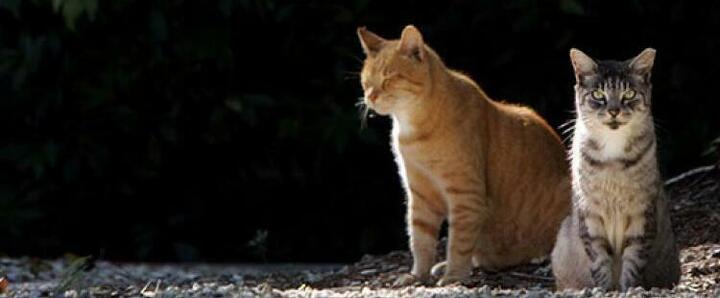 Virginians support humane methods for managing catsWe, residents of Virginia, support this safe, humane, and cost-effective method for managing the cats living in our communities. Please pass legislation to affirm the legality of TNR so we can reduce the number of cats entering and dying in our animal shelters. With enough signatures, we can ensure stronger support for these lifesaving programs. Please sign and share this petition today.810 of 1,000 SignaturesCreated by April M.
-
 TNR Program for Devore Animal ShelterIn order to create compassionate no-kill communities and achieve no-kill for cats nationwide, we need communities to support lifesaving programs like Trap-Neuter-Return [TNR]. The process is simple: cats are caught (often by volunteers), evaluated by veterinarians, vaccinated, spayed or neutered, and returned to their original outdoor homes, unable to have kittens. These programs are also proven to be the most cost-effective, veterinarian-approved, and animal-friendly solution for controlling and reducing free-roaming cat populations.719 of 800 SignaturesCreated by Arely M.
 -
Trenton
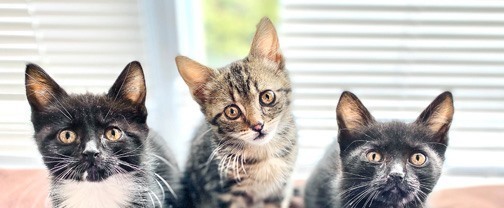 Street Cats Need our HelpIn 2016 I found the West Orange TNVR Program. It took a year and a half to get this approved and an ordinance allowing us to TNVR in West Orange, NJ. Unfortunately, surrounding towns do not do any TNR and it is sad how the population is growing and how these animals are suffering. This can be address with support from our legislatures. West Orange TNVR receives no financial support from the township. We depend strictly on donations and fundraisers. We are all volunteers and home based. To date we have spay/neutered 1086 street cats and adopted 623 kittens and adult cats. We have had inoculation, amputations, wounds and many URI We do all we can to save a life.491 of 500 SignaturesCreated by Judith S.
 -
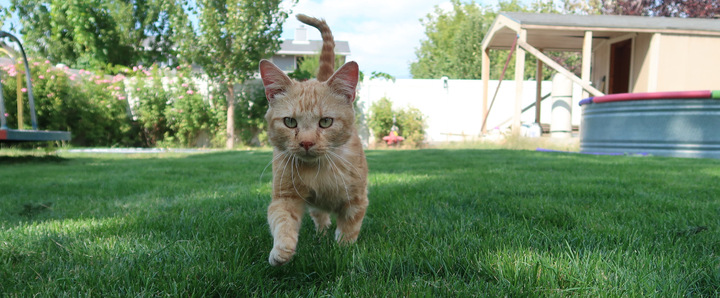 Saving Innocent Cats in Utah CountyIn order to create compassionate no-kill communities and achieve no-kill for cats nationwide, we need communities to support lifesaving programs like Trap-Neuter-Return [TNR]. The process is simple: cats are caught (often by volunteers), evaluated by veterinarians, vaccinated, spayed or neutered, and returned to their original outdoor homes, unable to have kittens. These programs are also proven to be the most cost-effective, veterinarian-approved, and animal-friendly solution for controlling and reducing free-roaming cat populations.472 of 500 SignaturesCreated by Kassie C.
-
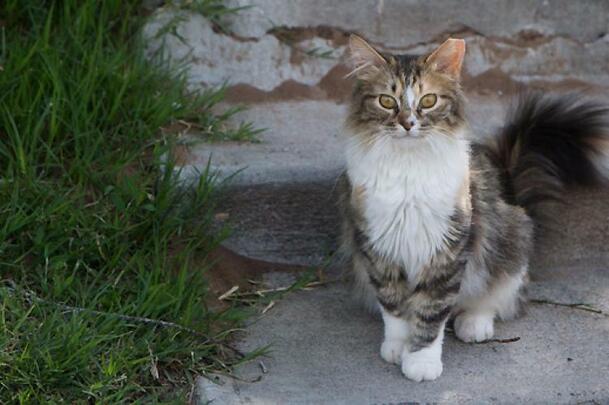 Save Cats in the BronxIn order to create compassionate no-kill communities and achieve no-kill for cats nationwide, we need communities to support lifesaving programs like Trap-Neuter-Return [TNR]. The process is simple: cats are caught (often by volunteers), evaluated by veterinarians, vaccinated, spayed or neutered, and returned to their original outdoor homes, unable to have kittens. These programs are also proven to be the most cost-effective, veterinarian-approved, and animal-friendly solution for controlling and reducing free-roaming cat populations.411 of 500 SignaturesCreated by Briara M.
 -
Des Arc
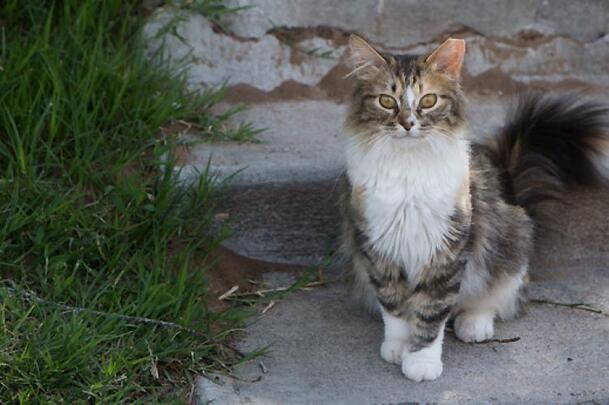 Saving Cats in Our Community - [Des Arc, Arkansas]In order to create compassionate no-kill communities and achieve no-kill for cats nationwide, we need communities to support lifesaving programs like Trap-Neuter-Return [TNR]. The process is simple: cats are caught (often by volunteers), evaluated by veterinarians, vaccinated, spayed or neutered, and returned to their original outdoor homes, unable to have kittens. These programs are also proven to be the most cost-effective, veterinarian-approved, and animal-friendly solution for controlling and reducing free-roaming cat populations.286 of 300 SignaturesCreated by Amy P.
 -
Brenham
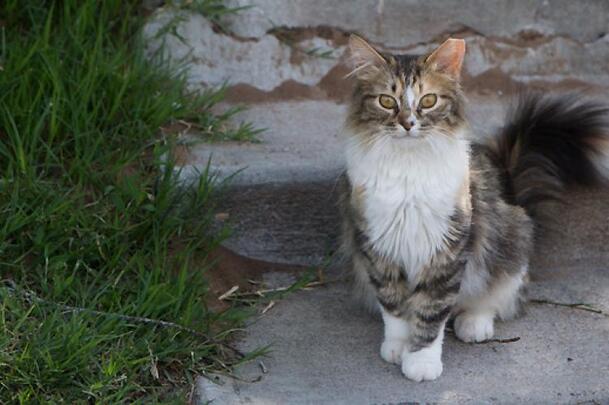 Saving Cats Get TNR in Brenham and Washington Co.In order to create compassionate no-kill communities and achieve no-kill for cats nationwide, we need communities to support lifesaving programs like Trap-Neuter-Return [TNR]. The process is simple: cats are caught (often by volunteers), evaluated by veterinarians, vaccinated, spayed or neutered, and returned to their original outdoor homes, unable to have kittens. These programs are also proven to be the most cost-effective, veterinarian-approved, and animal-friendly solution for controlling and reducing free-roaming cat populations.254 of 300 SignaturesCreated by Maria S.
 -
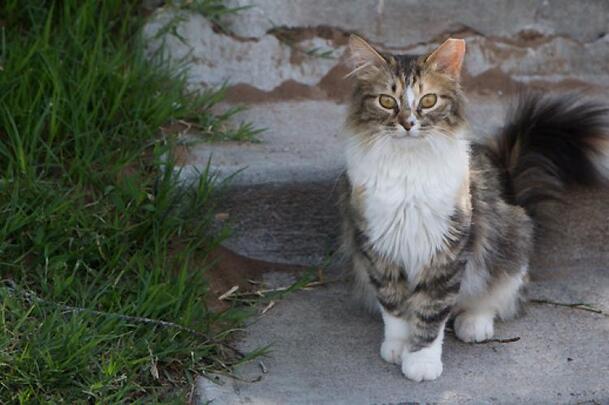 TNR PROGRAMS - Lake City Florida - Columbia CountyThe overpopulation of cats in Columbia County strains local shelters and poses public health concerns due to a lack of vaccinations and spay/neuter services. A rabies outbreak in the county could have devastating consequences. Florida's feral cat population is estimated to be between 6.3 million to 9.6 million. An independent review suggests a more conservative estimate of 2.7 million to 2.8 million feral cats in Florida, making up about 44% of all cats in the state. Each female feral cat can have up to three litters a year, leading to rapid population growth if not managed. The increasing feral cat population affects local businesses and the overall health and safety of the community. These programs are also proven to be the most cost-effective, veterinarian-approved, and animal-friendly solution for controlling and reducing free-roaming cat populations.247 of 300 SignaturesCreated by Laura R.
-
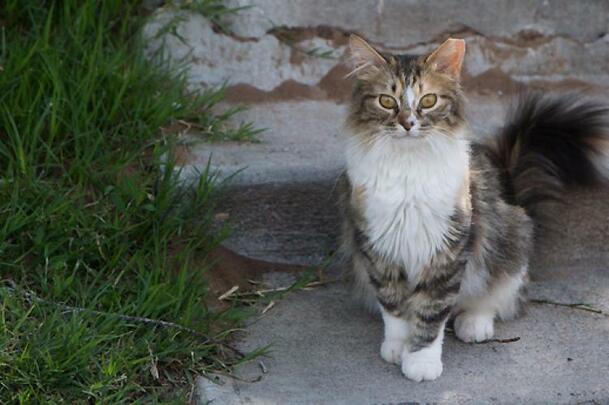 Saving Cats in Our CommunityIn order to create compassionate no-kill communities and achieve no-kill for cats nationwide, we need communities to support lifesaving programs like Trap-Neuter-Return [TNR]. The process is simple: cats are caught (often by volunteers), evaluated by veterinarians, vaccinated, spayed or neutered, and returned to their original outdoor homes, unable to have kittens. These programs are also proven to be the most cost-effective, veterinarian-approved, and animal-friendly solution for controlling and reducing free-roaming cat populations.205 of 300 SignaturesCreated by Kim S.