-
 Enact a Humane Pet Store Ordinance in Bloomingdale, IllinoisBloomingdale does not currently have a humane pet store ordinance, which means that pet stores are able to sell pets that come from mass-breeding facilities where profit takes priority over the health, comfort, and welfare of the animals. These facilities produce puppies that are often sick, causing unsuspecting consumers to have to care for a new pet in need of expensive veterinary treatment. Milled puppies can also spread Campylobacter, a dangerous, drug-resistant bacteria that is contagious to humans. Recently, the Centers for Disease Control and Prevention (CDC) traced a multi-state outbreak of Campylobacter to pet store puppies. This is a public health risk in a time where public health should be a top priority. We must learn our lesson from COVID-19: diseases that spread from animals to humans should be taken seriously. We have the opportunity to take action against mass-breeding pet mills, so we should act now to ban the sale of these commercially-bred pets in pet stores. I would like to see Bloomingdale enact a humane pet store ordinance that would prevent local pet stores from being able to sell puppies, kittens, and rabbits from commercial breeding facilities. I am a resident of Bloomingdale, and I care about the safety of animals and the humans interacting with these animals. Now is the time to pass an ordinance that would protect pets, consumers, and public health. Neighboring cities, such as Chicago and Naperville, have passed similar ordinances which could serve as a model for our own ordinance. In fact, 20 localities across Illinois have already enacted similar ordinances. Please consider passing a humane pet store ordinance for Bloomingdale, Illinois. Thank you.342 of 400 SignaturesCreated by Isha M.
 -
 Enact a Humane Pet Store Ordinance in St. Charles, IllinoisSt. Charles does not currently have a humane pet store ordinance, which means that pet stores are able to sell pets that come from mass-breeding facilities where profit takes priority over the health, comfort, and welfare of the animals. These facilities produce puppies that are often sick, causing unsuspecting consumers to have to care for a new pet in need of expensive veterinary treatment. Milled puppies can also spread Campylobacter, a dangerous, drug-resistant bacteria that is contagious to humans. Recently, the Centers for Disease Control and Prevention (CDC) traced a multi-state outbreak of Campylobacter to pet store puppies. This is a public health risk in a time where public health should be a top priority. We must learn our lesson from COVID-19: diseases that spread from animals to humans should be taken seriously. We have the opportunity to take action against mass-breeding pet mills, so we should act now to ban the sale of these commercially-bred pets in pet stores. I would like to see St. Charles enact a humane pet store ordinance that would prevent local pet stores from being able to sell puppies, kittens, and rabbits from commercial breeding facilities. I am a resident of St. Charles, and I care about the safety of animals and the humans interacting with these animals. Now is the time to pass an ordinance that would protect pets, consumers, and public health. Neighboring cities, such as Chicago and Naperville, have passed similar ordinances which could serve as a model for our own ordinance. In fact, 20 localities across Illinois have already enacted similar ordinances. Please consider passing a humane pet store ordinance for St. Charles, Illinois. Thank you.716 of 800 SignaturesCreated by Isha M.
 -
 Enact a Humane Pet Store Ordinance in Yorkville, IllinoisYorkville does not currently have a humane pet store ordinance, which means that pet stores are able to sell pets that come from mass-breeding facilities where profit takes priority over the health, comfort, and welfare of the animals. These facilities produce puppies that are often sick, causing unsuspecting consumers to have to care for a new pet in need of expensive veterinary treatment. Milled puppies can also spread Campylobacter, a dangerous, drug-resistant bacteria that is contagious to humans. Recently, the Centers for Disease Control and Prevention (CDC) traced a multi-state outbreak of Campylobacter to pet store puppies. This is a public health risk in a time where public health should be a top priority. We must learn our lesson from COVID-19: diseases that spread from animals to humans should be taken seriously. We have the opportunity to take action against mass-breeding pet mills, so we should act now to ban the sale of these commercially-bred pets in pet stores. I would like to see Yorkville enact a humane pet store ordinance that would prevent local pet stores from being able to sell puppies, kittens, and rabbits from commercial breeding facilities. I am a resident of Yorkville, and I care about the safety of animals and the humans interacting with these animals. Now is the time to pass an ordinance that would protect pets, consumers, and public health. Neighboring cities, such as Chicago and Naperville, have passed similar ordinances which could serve as a model for our own ordinance. In fact, 20 localities across Illinois have already enacted similar ordinances. Please consider passing a humane pet store ordinance for Yorkville, Illinois. Thank you.241 of 300 SignaturesCreated by Isha M.
 -
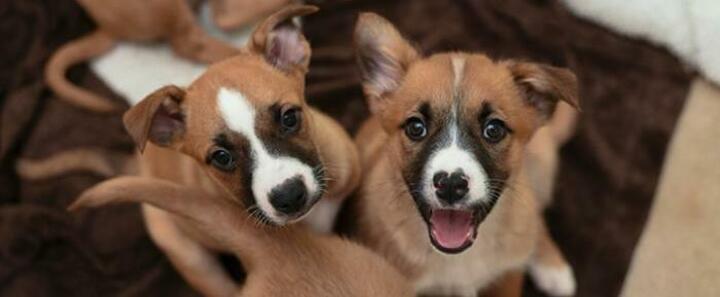 Enact a Humane Pet Store Ordinance in Bloomington, IllinoisBloomington does not currently have a humane pet store ordinance, which means that pet stores are able to sell pets that come from mass-breeding facilities where profit takes priority over the health, comfort, and welfare of the animals. These facilities produce puppies that are often sick, causing unsuspecting consumers to have to care for a new pet in need of expensive veterinary treatment. Milled puppies can also spread Campylobacter, a dangerous, drug-resistant bacteria that is contagious to humans. Recently, the Centers for Disease Control and Prevention (CDC) traced a multi-state outbreak of Campylobacter to pet store puppies. This is a public health risk in a time where public health should be a top priority. We must learn our lesson from COVID-19: diseases that spread from animals to humans should be taken seriously. We have the opportunity to take action against mass-breeding pet mills, so we should act now to ban the sale of these commercially-bred pets in pet stores. I would like to see Bloomington enact a humane pet store ordinance that would prevent local pet stores from being able to sell puppies, kittens, and rabbits from commercial breeding facilities. I am a resident of Bloomington, and I care about the safety of animals and the humans interacting with these animals. Now is the time to pass an ordinance that would protect pets, consumers, and public health. Neighboring cities, such as Chicago and Naperville, have passed similar ordinances which could serve as a model for our own ordinance. In fact, 20 localities across Illinois have already enacted similar ordinances. Please consider passing a humane pet store ordinance for Bloomington, Illinois. Thank you.223 of 300 SignaturesCreated by Isha M.
 -
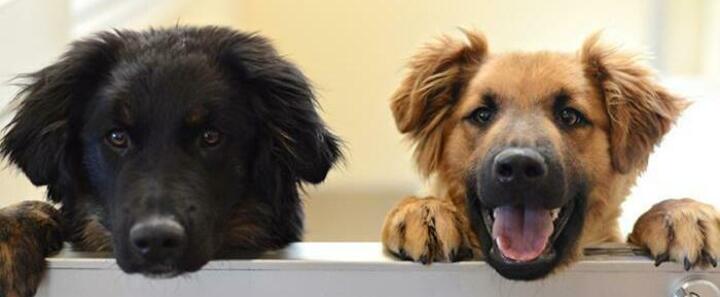 Enact a Humane Pet Store Ordinance in Batavia, IllinoisBatavia does not currently have a humane pet store ordinance, which means that pet stores are able to sell pets that come from mass-breeding facilities where profit takes priority over the health, comfort and welfare of the animals. These facilities produce puppies that are often sick, causing unsuspecting consumers to have to care for a new pet in need of expensive veterinary treatment. Milled puppies can also spread campylobacter, a dangerous, drug-resistant bacteria that is contagious to humans. Recently, the Centers for Disease Control and Prevention (CDC) traced a multi-state outbreak of Campylobacter to pet store puppies. This is a public health risk in a time where public health should be a top priority. We must learn our lesson from Covid-19: diseases that spread from animals to humans should be taken seriously. We have the opportunity to take action against mass-breeding pet mills, so we should act now to ban the sale of these commercially-bred pets in pet stores. I would like to see Batavia enact a humane pet store ordinance that would prevent local pet stores from being able to sell puppies, kittens, and rabbits from commercial breeding facilities. I am a resident of Batavia, and I care about the safety of animals and the humans interacting with these animals. Now is the time to pass an ordinance that would protect pets, consumers and public health. Neighboring cities, such as Chicago and Naperville, have passed similar ordinances which could serve as a model for our own ordinance. In fact, 20 localities across Illinois have already enacted similar ordinances. Please consider passing a humane pet store ordinance for Batavia, Illinois. Thank you.586 of 600 SignaturesCreated by Sarah S.
 -
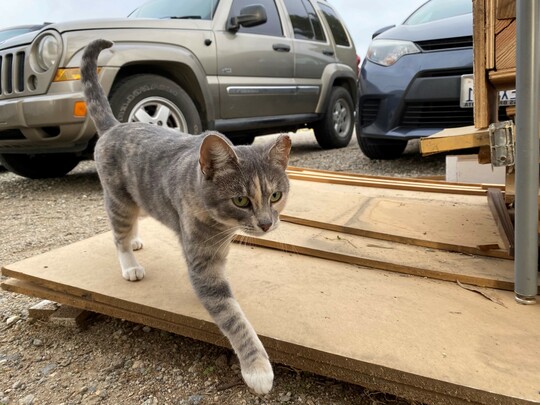.jpg) Support Community Cat programs in RiversideCommunity cats (aka stray or free-roaming cats) risk losing their lives simply because they've made a home in the outdoors. In many cases, they are brought to local shelters, where they are unlikely to get adopted because many of them aren't socialized to people. Many of these cats are thriving living outdoors because someone in their community cares for them. That's where community cat programs come in. These programs use trap-neuter-return (TNR) to save cats. The process is simple: Community cats are trapped, evaluated by veterinarians, vaccinated, spayed or neutered, ear-tipped, and returned to their outdoor homes, unable to have kittens. Three years ago, in partnership with Best Friends, Riverside County Dept. Of Animal Services took on this approach by welcoming a community cat program at their Coachella Valley Animal Campus location. By early 2020, as many as 10,000 eligible cats were spayed and neutered through the program. The work continues today on a smaller scale due to physical and financial limitations brought on by the pandemic, leaving many community members and cats without this necessary resource. You can help save the lives of community cats and support the people who care for them, by advocating for community cat programs and other lifesaving efforts to be implemented throughout Riverside County. Thank you for supporting community cats in your neighborhood, and for everything that you do for the animals!819 of 1,000 SignaturesCreated by Carol R.
Support Community Cat programs in RiversideCommunity cats (aka stray or free-roaming cats) risk losing their lives simply because they've made a home in the outdoors. In many cases, they are brought to local shelters, where they are unlikely to get adopted because many of them aren't socialized to people. Many of these cats are thriving living outdoors because someone in their community cares for them. That's where community cat programs come in. These programs use trap-neuter-return (TNR) to save cats. The process is simple: Community cats are trapped, evaluated by veterinarians, vaccinated, spayed or neutered, ear-tipped, and returned to their outdoor homes, unable to have kittens. Three years ago, in partnership with Best Friends, Riverside County Dept. Of Animal Services took on this approach by welcoming a community cat program at their Coachella Valley Animal Campus location. By early 2020, as many as 10,000 eligible cats were spayed and neutered through the program. The work continues today on a smaller scale due to physical and financial limitations brought on by the pandemic, leaving many community members and cats without this necessary resource. You can help save the lives of community cats and support the people who care for them, by advocating for community cat programs and other lifesaving efforts to be implemented throughout Riverside County. Thank you for supporting community cats in your neighborhood, and for everything that you do for the animals!819 of 1,000 SignaturesCreated by Carol R.
-
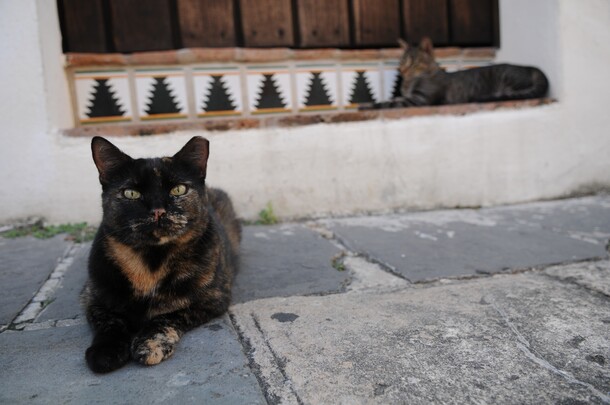 Los Ángeles apoya a su comunidad y a sus gatosCasi 10 años después de que el Consejo Municipal de Los Angeles votaron para hacer de la ciudad una comunidad donde no se matan a perros o gatos innecesariamente, la lucha continúa. Aunque el umbral del 90% se alcanzó para los perros hace cuatro años, los esfuerzos para salvar vidas de los gatos han sido mucho más desafiantes. Sin embargo, un programa actualmente en consideración probablemente empujaría a Los Angeles a la cima. La mayor barrera para salvar a más gatos ha sido una orden judicial que impide a la Ciudad de participar en los programas de CES (Capturar, Esterilizar y Soltar). Como resultado, la cantidad de gatitos que ingresan a los refugios de Los Angeles, a aumentando en los últimos años, agotando los recursos disponibles. El mes pasado, la Ciudad público los detalles de su tan esperado programa para gatos de la ciudad, que asigna fondos para la esterilización de 20,000 gatos que deambulan libremente al año, además de los fondos ya asignados para las mascotas de los residentes. El proceso es simple: los gatos son capturados, evaluados por veterinarios, esterilizados, vacunados y devueltos a su comunidad. Esto promete ser un cambio de juego sin obstaculizar ninguno de los avances ya realizados -- revocando la orden judicial y allanando el camino para que Los Ángeles se convierta en la comunidad más grande del país en donde no se matan a perros y gatos innecesariamente.131 of 200 SignaturesCreated by Carol R.
-
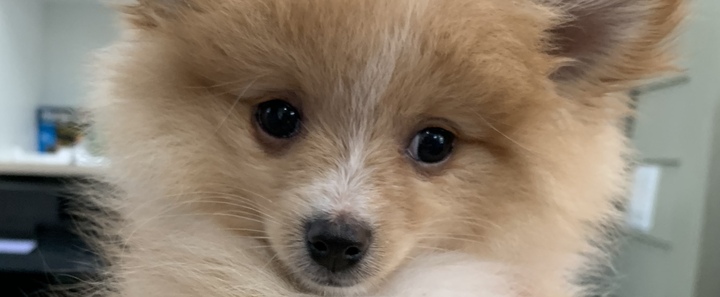 Stop Puppy Mill Sales in HoustonIn Austin, El Paso, Fort Worth, The Colony, Waco and more than 375 other cities, counties and states have already passed laws to ban the retail sale of pets sourced from commercial breeding facilities. It's time for Houston to do the same. Puppy and kitten mills are in business to supply pet stores. The pets in these facilities often spend their entire lives in dirty, crowded cages for the sole purpose of producing as many animals as possible for the retail pet trade. Pet stores that obtain animals from these facilities are not an asset to our city. These facilities also produce puppies that are often sick, causing unsuspecting consumers to have to care for a new pet in need of expensive veterinary treatment. Milled puppies can also spread campylobacter, a dangerous, drug-resistant bacteria that is contagious to humans. Recently, the Centers for Disease Control and Prevention (CDC) traced a multi-state outbreak of Campylobacter to pet store puppies. This is a public health risk in a time where public health should be a top priority. A retail pet sales ban will not prevent pet stores from doing business, but it will reduce the burden on our shelters and rescue groups by increasing pet adoptions. It will also benefit our local hobby breeders by allowing them to continue providing responsibly bred animals directly to those who cannot find what they are looking for through adoption. Please consider passing a humane pet store ordinance for Houston.290 of 300 SignaturesCreated by Aleesia W.
-
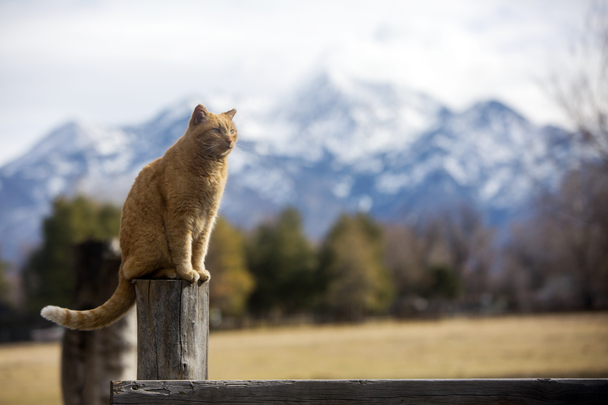.jpg) Protect Alaska's community catsHelp support saving the lives of community cats by advocating for lifesaving programs in your area. Please sign and share this petition to show that you support safe, humane and positive solutions for cats living in your community. Current state rules and regulations severely hamper any lifesaving efforts focused on community cats. Alaska's Board of Game has been considering rule changes that could impact cats and the people who care for them. These changes have been pushed to early 2022. Alaska’s residents deserve TNVR (trap-neuter-vaccinate-return) programs, which are animal-friendly, cost-effective, and reduce the burden and bureaucracy placed on the state’s animal shelters. The process is simple: Community cats are trapped, evaluated by veterinarians, vaccinated, spayed or neutered, ear-tipped, and returned to their outdoor homes, unable to have kittens. The simple truth is that current methods of animal control relative to community cats are expensive, ineffective and often inhumane. Rule changes allowing TNVR programs would be better for the cats, for public health and for the wildlife we all want to protect.636 of 800 SignaturesCreated by Keiko B.
Protect Alaska's community catsHelp support saving the lives of community cats by advocating for lifesaving programs in your area. Please sign and share this petition to show that you support safe, humane and positive solutions for cats living in your community. Current state rules and regulations severely hamper any lifesaving efforts focused on community cats. Alaska's Board of Game has been considering rule changes that could impact cats and the people who care for them. These changes have been pushed to early 2022. Alaska’s residents deserve TNVR (trap-neuter-vaccinate-return) programs, which are animal-friendly, cost-effective, and reduce the burden and bureaucracy placed on the state’s animal shelters. The process is simple: Community cats are trapped, evaluated by veterinarians, vaccinated, spayed or neutered, ear-tipped, and returned to their outdoor homes, unable to have kittens. The simple truth is that current methods of animal control relative to community cats are expensive, ineffective and often inhumane. Rule changes allowing TNVR programs would be better for the cats, for public health and for the wildlife we all want to protect.636 of 800 SignaturesCreated by Keiko B. -
Stop Limiting Lifesaving: Fix Osceola County’s Dog Limit for Rescues and FostersEvery day in Osceola County, dogs and cats—especially vulnerable puppies and litters—are at risk due to overcrowded shelters and limited placement options. According to recent data, 4,451 animals entered the shelter, but only 3,465 were saved, resulting in a 78% save rate. That leaves a gap of over 500 animals who are not making it out alive. For dogs specifically, the save rate is 71%, meaning hundreds of dogs remain at risk. At the same time, community members and rescuers are facing increasing difficulty accessing shelter support. There are ongoing challenges with intake availability, including limited acceptance of cats, strays, and owner surrenders. This leaves many animals with nowhere to go—often remaining on the streets, where they face illness, injury, or death. Animal rescues and foster families are critical to filling this gap. They step in when shelters are full—taking in litters, bottle babies, and at-risk animals who would otherwise have no chance. However, the current ordinance in Osceola County limiting households to four dogs—and counting puppies over eight weeks individually—directly prevents fosters from helping when they are needed most. This means: • Litters cannot stay together in foster care • Rescues are forced to turn animals away • More animals remain in unsafe conditions • And ultimately, more lives are lost By updating this ordinance, Osceola County can: • Save hundreds of additional lives each year • Help move closer to true no-kill status • Reduce the burden on Osceola County Animal Services • Support responsible rescues who are stepping in where gaps currently exist This is not about increasing pet ownership limits for the general public—it is about supporting regulated, compassionate rescue efforts that directly reduce suffering and prevent unnecessary deaths. If we want to close the gap and give every animal a chance, we must remove the barriers that prevent lifesaving help.4 of 100 SignaturesCreated by Isela M.
-
Together let's make our animal shelter no kill, for themFor every dog euthanized in a shelter there are 2 cats that will meet the same fate. Dogs that exhibit behavioral issues are euthanized sooner after their arrival at the shelter than a well mannered dog. These dogs need time to decompress. They don't deserve to die! Euthanasia is not an acceptable outcome for these loving creàtions of God. Animals can't speak for themselves, we must be their voice! Won't you join me?3 of 100 SignaturesCreated by Stacy G.
-
End euthanasia for straysDear Mayor, City Council Members, County Commissioners, and Community Leaders, I am writing to explain why ending the euthanasia of stray dogs and expanding animal welfare infrastructure in Tyler and Smith County is not only important—but essential to the health, values, and future of our community. First and foremost, this is a moral issue. Our stray dogs are being euthanized because there is not enough space, funding, or coordination to care for them. This places the burden of systemic shortcomings on the animals themselves. A compassionate community does not solve capacity problems by ending lives—it solves them by investing in solutions. Second, euthanasia as population control is ineffective and costly. Killing our stray dogs does not reduce intake long-term. Without adequate spay/neuter programs, foster networks, and shelter capacity, the cycle simply repeats. Communities that invest in no-kill infrastructure consistently see lower intake numbers, reduced operating costs over time, and stronger public support. Third, expanding Smith County Animal Control and supporting no-kill shelters directly improves public safety. Properly resourced facilities allow for better disease control, behavioral assessment, reunification with owners, and adoption services. Overcrowded, underfunded systems increase risk—to animals, staff, and the public. Fourth, Tyler’s reputation and economic vitality are affected by how we treat animals. Cities known for humane animal policies attract residents, businesses, volunteers, and tourists. Conversely, widespread euthanasia damages public trust and discourages civic engagement. Animal welfare is increasingly seen as a reflection of a community’s overall quality of life. Fifth, local no-kill shelters and rescues cannot shoulder this responsibility alone. These organizations already operate with limited funding, volunteers, and space. Without meaningful financial and logistical support from city and county leadership, they are being asked to compensate for gaps that only government investment can realistically fill. Finally, this issue matters because solutions exist. Communities across Texas have successfully transitioned to no-kill models through expanded shelter capacity, foster-based programs, rescue partnerships, and prevention-focused services. Tyler and Smith County are capable of the same progress with commitment and leadership. Ending the euthanasia of our stray dogs is not an emotional or unrealistic demand—it is a practical, humane, and responsible goal. Expanding infrastructure is an investment that saves lives, protects public health, and aligns our policies with the values of compassion and accountability. I urge you to recognize the importance of this issue and take meaningful action to ensure that Tyler becomes a community where solutions replace suffering, and leadership replaces resignation. Respectfully, Kim Aguilar3 of 100 SignaturesCreated by Kim A.