-
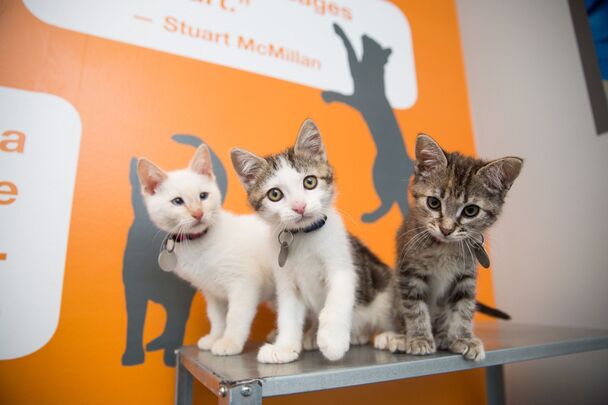 Tell Cedar Hills City Council: Support Lifesaving Programs for CatsIn 2024, over 4,300 cats entered Utah County shelters, and only 60% made it out alive. Community cats (aka stray or free-roaming cats) are losing their lives simply because they've made a home outdoors. In many cases, they are brought to NUVAS or SUVAS where they have a 40% chance of being killed. Many of these cats thrive living outdoors because community members care for and about them. That's where community cat programs come in. These programs use trap-neuter-vaccinate-return (TNVR) to save cats. The process is simple: Community cats are trapped, evaluated by veterinarians, vaccinated, spayed or neutered, ear-tipped, and returned to their outdoor homes, unable to have kittens. Lifesaving programs like these are proven to be the most cost-effective, veterinarian-approved, and animal-friendly solutions for improving the health of and reducing free-roaming cat populations. By aligning city ordinances with state law, Utah County can save lives, reduce taxpayer costs, and build healthier, safer communities for both people and pets. Reference the facts: Utah Code Community Cat Act 11-46-301 - https://le.utah.gov/xcode/Title11/Chapter46/C11-46-P3_1800010118000101.pdf Community cats and public health: https://www.felineresearch.org/post/issue-brief-feral-cats-and-public-health TNR and population management: https://www.felineresearch.org/post/issue-brief-what-to-do-with-feral-cats-examining-tnr Cat health and welfare with TNR: https://www.felineresearch.org/post/issue-brief-feral-cat-health2 of 100 Signatures
 -
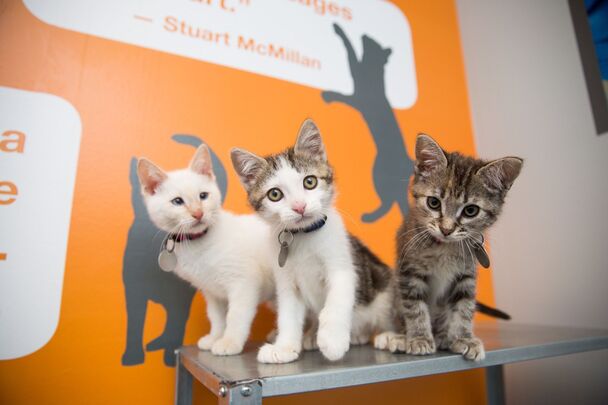 Tell Bluffdale South City Council: Support Lifesaving Programs for CatsIn 2024, over 4,300 cats entered Utah County shelters, and only 60% made it out alive. Community cats (aka stray or free-roaming cats) are losing their lives simply because they've made a home outdoors. In many cases, they are brought to NUVAS or SUVAS where they have a 40% chance of being killed. Many of these cats thrive living outdoors because community members care for and about them. That's where community cat programs come in. These programs use trap-neuter-vaccinate-return (TNVR) to save cats. The process is simple: Community cats are trapped, evaluated by veterinarians, vaccinated, spayed or neutered, ear-tipped, and returned to their outdoor homes, unable to have kittens. Lifesaving programs like these are proven to be the most cost-effective, veterinarian-approved, and animal-friendly solutions for improving the health of and reducing free-roaming cat populations. By aligning city ordinances with state law, Utah County can save lives, reduce taxpayer costs, and build healthier, safer communities for both people and pets. Reference the facts: Utah Code Community Cat Act 11-46-301 - https://le.utah.gov/xcode/Title11/Chapter46/C11-46-P3_1800010118000101.pdf Community cats and public health: https://www.felineresearch.org/post/issue-brief-feral-cats-and-public-health TNR and population management: https://www.felineresearch.org/post/issue-brief-what-to-do-with-feral-cats-examining-tnr Cat health and welfare with TNR: https://www.felineresearch.org/post/issue-brief-feral-cat-health5 of 100 Signatures
 -
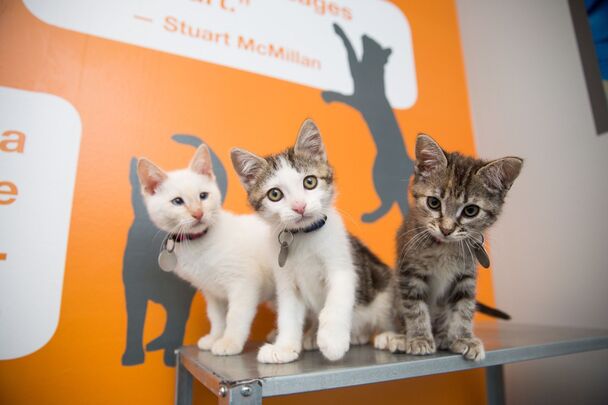 Tell Springville City Council: Support Lifesaving Programs for CatsIn 2024, over 4,300 cats entered Utah County shelters, and only 60% made it out alive. Community cats (aka stray or free-roaming cats) are losing their lives simply because they've made a home outdoors. In many cases, they are brought to NUVAS or SUVAS where they have a 40% chance of being killed. Many of these cats thrive living outdoors because community members care for and about them. That's where community cat programs come in. These programs use trap-neuter-vaccinate-return (TNVR) to save cats. The process is simple: Community cats are trapped, evaluated by veterinarians, vaccinated, spayed or neutered, ear-tipped, and returned to their outdoor homes, unable to have kittens. Lifesaving programs like these are proven to be the most cost-effective, veterinarian-approved, and animal-friendly solutions for improving the health of and reducing free-roaming cat populations. By aligning city ordinances with state law, Utah County can save lives, reduce taxpayer costs, and build healthier, safer communities for both people and pets. Reference the facts: Utah Code Community Cat Act 11-46-301 - https://le.utah.gov/xcode/Title11/Chapter46/C11-46-P3_1800010118000101.pdf Community cats and public health: https://www.felineresearch.org/post/issue-brief-feral-cats-and-public-health TNR and population management: https://www.felineresearch.org/post/issue-brief-what-to-do-with-feral-cats-examining-tnr Cat health and welfare with TNR: https://www.felineresearch.org/post/issue-brief-feral-cat-health57 of 100 SignaturesCreated by Andrea C.
 -
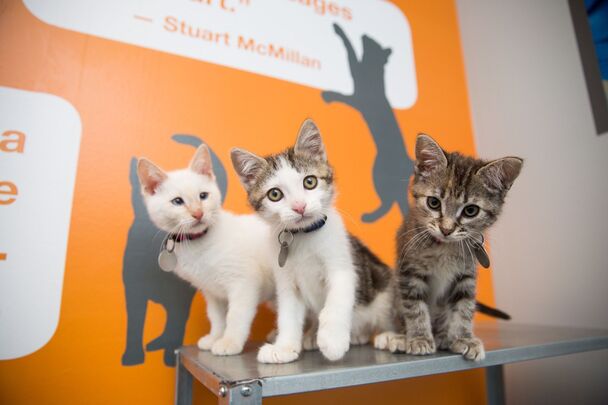 Tell Saratoga Springs City Council: Support Lifesaving Programs for CatsIn 2024, over 4,300 cats entered Utah County shelters, and only 60% made it out alive. Community cats (aka stray or free-roaming cats) are losing their lives simply because they've made a home outdoors. In many cases, they are brought to NUVAS or SUVAS where they have a 40% chance of being killed. Many of these cats thrive living outdoors because community members care for and about them. That's where community cat programs come in. These programs use trap-neuter-vaccinate-return (TNVR) to save cats. The process is simple: Community cats are trapped, evaluated by veterinarians, vaccinated, spayed or neutered, ear-tipped, and returned to their outdoor homes, unable to have kittens. Lifesaving programs like these are proven to be the most cost-effective, veterinarian-approved, and animal-friendly solutions for improving the health of and reducing free-roaming cat populations. By aligning city ordinances with state law, Utah County can save lives, reduce taxpayer costs, and build healthier, safer communities for both people and pets. Reference the facts: Utah Code Community Cat Act 11-46-301 - https://le.utah.gov/xcode/Title11/Chapter46/C11-46-P3_1800010118000101.pdf Community cats and public health: https://www.felineresearch.org/post/issue-brief-feral-cats-and-public-health TNR and population management: https://www.felineresearch.org/post/issue-brief-what-to-do-with-feral-cats-examining-tnr Cat health and welfare with TNR: https://www.felineresearch.org/post/issue-brief-feral-cat-health3 of 100 Signatures
 -
Stop Puppy Mill Sales in MassachusettsMore than 440 other cities, counties and states have already passed laws to stop the retail sale of pets sourced from commercial breeding facilities. It's time for our community to do the same. Puppy and kitten mills are in business to supply pet stores. The pets in these facilities often spend their entire lives in dirty, crowded cages for the sole purpose of producing as many animals as possible for the retail pet trade. Pet stores that obtain animals from these facilities are not an asset to our community. These facilities also produce puppies that are often sick, causing unsuspecting consumers to have to care for a new pet in need of expensive veterinary treatment. Milled puppies can also spread campylobacter, a dangerous, drug-resistant bacteria that is contagious to humans. In the past several years, the Centers for Disease Control and Prevention (CDC) traced a multi-state outbreak of Campylobacter to pet store puppies. This is a public health risk in a time where public health should be a top priority. A humane pet sales ordinance will not prevent pet stores from doing business, but it will reduce the burden on our shelters and rescue groups by increasing pet adoptions. It will also benefit our local ethical hobby breeders by allowing them to provide responsibly bred pets directly to those who cannot find what they are looking for through adoption. Please consider protecting pets and consumers by passing a humane pet sales ordinance for our community.14 of 100 SignaturesCreated by Gregory P.
-
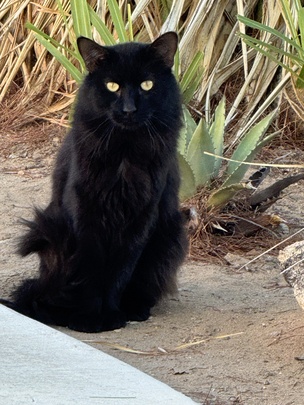 Help Apple Valley CatsIn order to create compassionate no-kill communities and achieve no-kill for cats nationwide, we need communities to support lifesaving programs like Trap-Neuter-Return [TNR]. The process is simple: cats are caught (often by volunteers), evaluated by veterinarians, vaccinated, spayed or neutered, and returned to their original outdoor homes, unable to have kittens. These programs are also proven to be the most cost-effective, veterinarian-approved, and animal-friendly solution for controlling and reducing free-roaming cat populations.152 of 200 SignaturesCreated by Shelly S.
 -
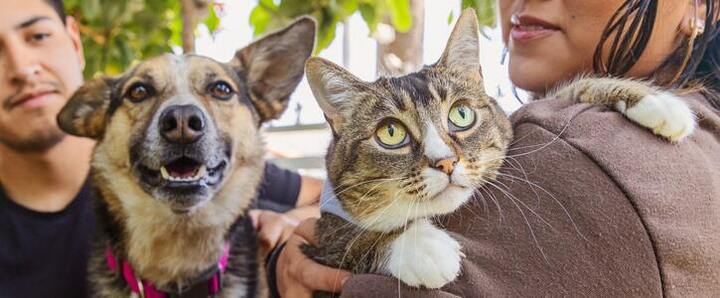 We Support Saving More Dogs and Cats in Los AngelesWe know L.A. can become a no-kill community because they've done it before. There are programs and policies that can be implemented to save animal lives and protect the people who care for them. By implementing proven no-kill programming — increased foster placement and adoption outreach, for example — we can ensure that every healthy and treatable animal who can be saved is saved.5,403 of 6,000 SignaturesCreated by Jessica F.
-
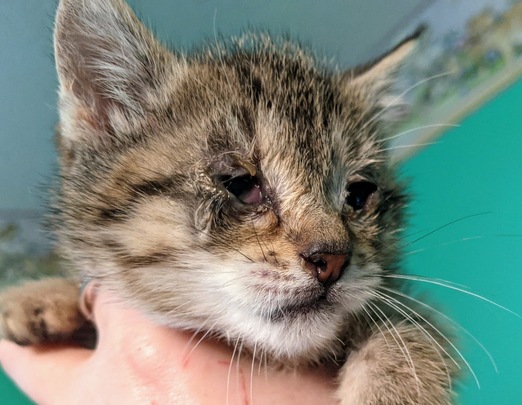 Stop Changes to the Kansas Pet BillUnder the revised interpretation of the old statute, if 2 out of a litter of 6 kittens are sneezing or have ringworm, all the kittens (and mom) will be killed instead of being sent to rescue. During the March to September time period, our rescue had 81 cats and kittens transferred to us from WAS in 2023. During the same time period this year, there have been had 18. That's 63 cats and kittens (or 77% less) that had easily treatable infectious diseases that were killed unnecessarily. In 2023, over 25,000 animals (cats and dogs) found new homes through shelters and rescues in Kansas. That number will be dramatically lower in 2025 and lower still if action isn't taken immediately to stop the proposed changes.791 of 800 SignaturesCreated by Michelle D.
 -
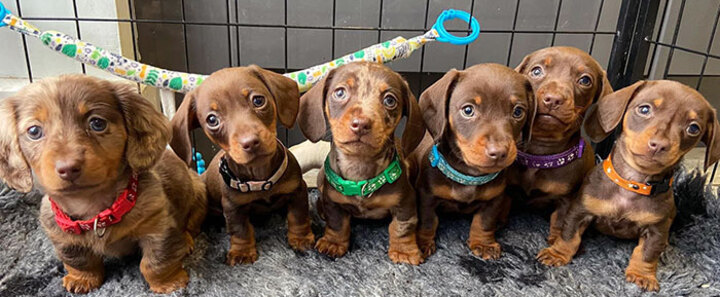 Stop Puppy Mill Sales in Maricopa County, AzMore than 440 other cities, counties and states have already passed laws to stop the retail sale of pets sourced from commercial breeding facilities. It's time for our community to do the same. Puppy and kitten mills are in business to supply pet stores. The pets in these facilities often spend their entire lives in dirty, crowded cages for the sole purpose of producing as many animals as possible for the retail pet trade. Pet stores that obtain animals from these facilities are not an asset to our community. These facilities also produce puppies that are often sick, causing unsuspecting consumers to have to care for a new pet in need of expensive veterinary treatment. Milled puppies can also spread campylobacter, a dangerous, drug-resistant bacteria that is contagious to humans. In the past several years, the Centers for Disease Control and Prevention (CDC) traced a multi-state outbreak of Campylobacter to pet store puppies. This is a public health risk in a time where public health should be a top priority. A humane pet sales ordinance will not prevent pet stores from doing business, but it will reduce the burden on our shelters and rescue groups by increasing pet adoptions. It will also benefit our local ethical hobby breeders by allowing them to provide responsibly bred pets directly to those who cannot find what they are looking for through adoption. Please consider protecting pets and consumers by passing a humane pet sales ordinance for our community.396 of 400 SignaturesCreated by Kia P.
 -
Stop Puppy Mill Sales in Fentress CountyMore than 440 other cities, counties and states have already passed laws to stop the retail sale of pets sourced from commercial breeding facilities. It's time for our community to do the same. Puppy and kitten mills are in business to supply pet stores. The pets in these facilities often spend their entire lives in dirty, crowded cages for the sole purpose of producing as many animals as possible for the retail pet trade. Pet stores that obtain animals from these facilities are not an asset to our community. These facilities also produce puppies that are often sick, causing unsuspecting consumers to have to care for a new pet in need of expensive veterinary treatment. Milled puppies can also spread campylobacter, a dangerous, drug-resistant bacteria that is contagious to humans. In the past several years, the Centers for Disease Control and Prevention (CDC) traced a multi-state outbreak of Campylobacter to pet store puppies. This is a public health risk in a time where public health should be a top priority. A humane pet sales ordinance will not prevent pet stores from doing business, but it will reduce the burden on our shelters and rescue groups by increasing pet adoptions. It will also benefit our local ethical hobby breeders by allowing them to provide responsibly bred pets directly to those who cannot find what they are looking for through adoption. Please consider protecting pets and consumers by passing a humane pet sales ordinance for our community.302 of 400 SignaturesCreated by Hunter C.
-
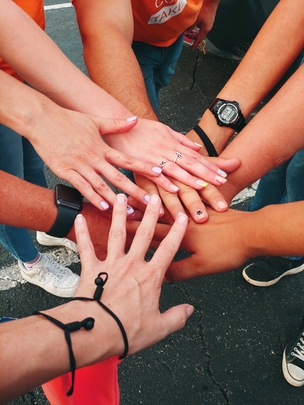 El Valle Unido para 90¿Por qué es esto importante? Decirles a nuestros representantes que este tema nos importa es el primer paso para hacer posible un valle donde no se sacrifique a las mascotas. Ser “No-Kill” simplemente significa que somos una comunidad que actúa con la convicción de que todos los perros y gatos sanos y tratables deben ser salvados. Podemos hacer esto salvando tantas vidas como sea posible a través de la adopción de mascotas, la captura, la esterilización y el regreso de gatos a su lugar original, programas de hogares temporales con apoyo, la concientización y otros programas de apoyo comunitario. El punto de referencia actual para ser considerado “No-Kill” es salvar al 90 por ciento o más de los animales que ingresan a los albergues. Juntos, podemos lograr que nuestras ciudades puedan crear un futuro mejor para nuestros animales: podemos unirnos para alcanzar el 90% de salvamento. En los últimos siete años, se ha más que duplicado el número de albergues de los Estados Unidos donde no se sacrifica a ninguna mascota (es decir, los albergues de animales que salvan al menos al 90% de los perros y gatos que ingresan), pasando del 24% en 2016 al 57% en 2022. ¡Sabemos que esto también es posible en el Valle! Nuestra comunidad merece tener acceso a políticas y programas modernos que salven vidas. Como parte de nuestras familias, nuestras mascotas también son parte de la comunidad. Como parte de nuestra planificación urbana, debemos incluir y priorizar los servicios a los animales y que tengan acceso a recibir cuidados. El apoyo a nuestra comunidad incluye albergues y programas locales que se enfoquen en brindar soluciones seguras y positivas para los gatos y perros que ingresan a esos albergues. Es fundamental que nuestros representantes sepan que salvar perros y gatos es importante para nosotros. Al defender estos programas y colaborar continuamente con tu albergue local de animales, puedes formar parte de la creación de una comunidad más saludable para las mascotas y las personas. ¡Muestra tu apoyo firmando y compartiendo esta petición hoy mismo!52 of 100 SignaturesCreated by Victoria R.
 -
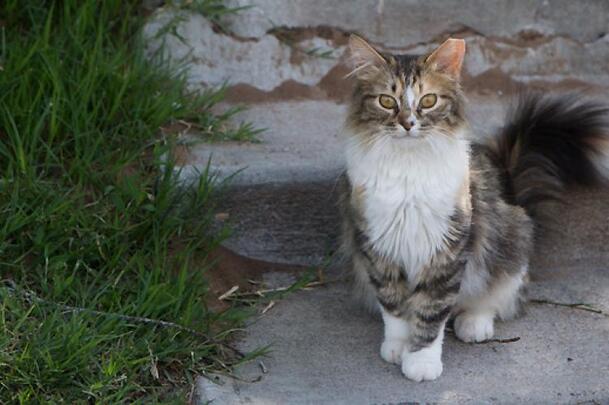 Saving Cats in Our Community - Beeville, Texas, Bee CountyIn order to create compassionate no-kill communities and achieve no-kill for cats nationwide, we need communities to support lifesaving programs like Trap-Neuter-Return [TNR]. The process is simple: cats are caught (often by volunteers), evaluated by veterinarians, vaccinated, spayed or neutered, and returned to their original outdoor homes, unable to have kittens. These programs are also proven to be the most cost-effective, veterinarian-approved, and animal-friendly solution for controlling and reducing free-roaming cat populations.166 of 200 SignaturesCreated by Dara C.