-
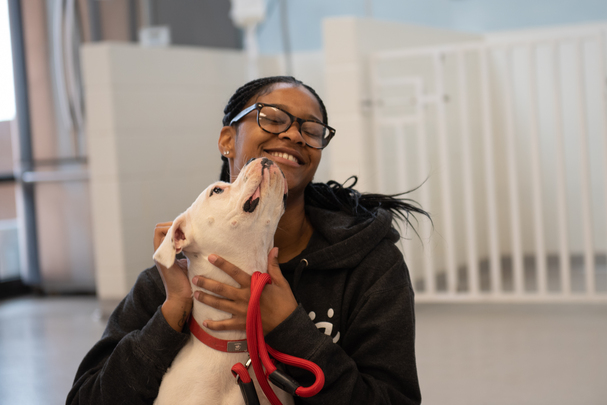 Stop insurance companies from discriminating against people of color and the pets they loveThe vast majority of insurance companies use dog breed as a factor in determining whether to issue a homeowners insurance policy. Breed lists used by many companies are comprised of large dogs that are considered — without proof — to be more aggressive than other dogs based solely on their breed or appearance. To make matters worse, those living in ZIP codes commonly associated with people of color are more likely to be denied insurance if they live with a large-breed dog. Homeowners insurance exclusions, like the discriminatory practice of redlining, deny people of color and their pets fair access to the privileges and protections other American homeowners enjoy. Senate Bill 1672 has been introduced to stop breed-based insurance discrimination in Illinois. What passing Illinois Senate Bill 1672 will accomplish: (1) It closes a loophole that allows unscrupulous insurers to circumvent longstanding anti-discriminatory legislation like the FHA (2) It removes barriers to Black and Brown homeownership (because some might not be able to purchase a home if they have the 'wrong' dog) and hence encourages upward economic mobility (3) It allows Black and Brown families equitable opportunities for pet ownership, which is arguably not only part of the American dream, but also important to the mental well-being of pet owners Although insurance companies may claim that these restrictions are based on risk, scholars have argued that focusing on the breed of a person's dog can enable companies to engage in discrimination based on race (due to preconceived notions of who often owns restricted breeds) The focus should always be put on the behavior of the dog and the behavior of the owner instead. Arbitrary breed restrictions prevent otherwise responsible dog owners from acquiring adequate homeowners/renters insurance and forces many to give up their beloved dog companions before moving into state-subsidized housing. Breed restrictions also prevent well-mannered dogs from being adopted and infringe on a family's right to choose the best dog for them. Research on breed and behavior: * Researchers at Tufts University concluded that factors associated with actions of the owner —like the absence of an able-bodied person to intervene — are the primary cause of dog bite-related fatalities while the breed is not a factor. Source: https://www.ncbi.nlm.nih.gov/pubmed/24299544 * A recent study asked 16 animal shelter workers to guess the breed of 120 dogs. While the shelter staff collectively identified 52% of the dogs as pit bull-type dogs, DNA tests proved that only 21% had any pit bull mix in them. Source: https://www.sciencedirect.com/science/article/pii/S109002331500310X * A study published in the Journal of Veterinary Behavior compared aggression between banned dog breeds and a control group of golden retrievers using temperament tests. Comparing the results of golden retrievers and breeds affected by breed discriminatory legislation, no significant difference was found. The researchers concluded that "A scientific basis for breed-specific lists does not exist." Source: https://www.sciencedirect.com/science/article/abs/pii/S155878780700264X876 of 1,000 SignaturesCreated by James E.
-
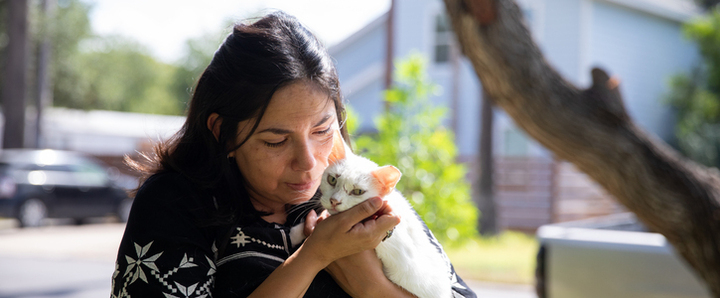 La Gente de Fresno Cuida a Nuestra Comunidad y Los Gatos y Perros Que Viven Aquí¿Porque esto es importante? Fresno es una comunidad donde vecinos se cuidan entre todos. Las mascotas juegan un rol importante y juntos trabajaremos para mantenerlos seguros. Las personas y las mascotas de la ciudad de Fresno merecen programas que se concentren en proporcionar salidas seguras y positivas para los perros y gatos que ingresan a los refugios. Usted es una parte fundamental para garantizar que las mascotas y las personas tengan acceso a programas y recursos positivos. Es importante que sus representantes sepan que salvar gatos y perros es importante para la gente de Fresno. La buena noticia es que puede ser parte del apoyo a programas positivos que funcionan alrededor de California y en partes del condado de Fresno. Algunos ejemplos incluyen la programación comunitaria para gatos (para garantizar que los gatos estén esterilizados / castrados, vacunados y devueltos a sus hogares), programas de crianza (para proporcionar alojamiento temporal a las mascotas antes de encontrar sus hogares permanentes) y servicios y recursos progresivos para garantizar que las personas tengan lo que necesitan para mantener a sus mascotas. Al abogar por estos programas y la continuada colaboración con otras organizaciones comunitarias, puede ser parte de la creación de una comunidad más saludable para las mascotas y las personas. ¡Muestre su apoyo firmando y compartiendo hoy! ¡Gracias por su apoyo y todo lo que hacen por las mascotas y la gente de Fresno!45 of 100 SignaturesCreated by Carol R.
-
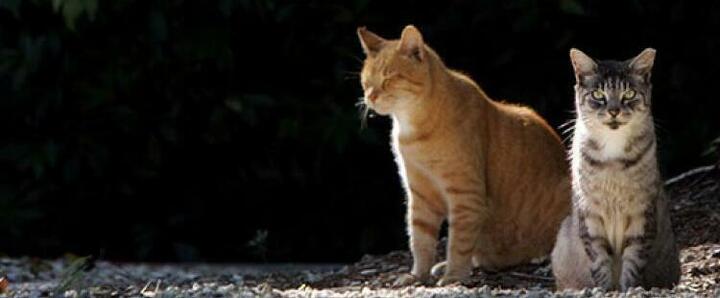 Virginians support humane methods for managing catsWe, residents of Virginia, support this safe, humane, and cost-effective method for managing the cats living in our communities. Please pass legislation to affirm the legality of TNR so we can reduce the number of cats entering and dying in our animal shelters. With enough signatures, we can ensure stronger support for these lifesaving programs. Please sign and share this petition today.810 of 1,000 SignaturesCreated by April M.
-
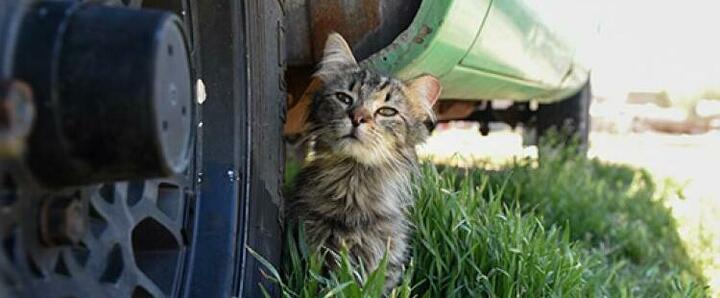 Help save our lost and homeless cats in the Flathead Valley.We have cats in our valley that are falling through the cracks. When the county shelter, local humane society and Kitty Mom’s rescue are full (which is frequently) we have no safety net to support cats that are turned away and left on the streets.191 of 200 SignaturesCreated by Kitty L.
 -
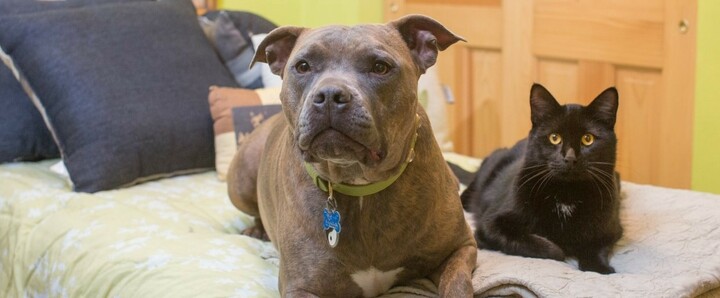 Tell the state of Illinois to stop discriminating against dog breedsBreed labels are often applied without actual knowledge of a dog’s specific breed. The science shows that breed is not a factor in bites. The focus should be on the behavior of the dog and the behavior of the owner. Breed restrictions prevent responsible dog owners from acquiring adequate homeowners/renters insurance or require them to give up their dogs before moving into state-subsidized housing. Plus, breed restrictions prevent well-mannered dogs from being adopted and infringe on a family’s right to choose the best dog for them. And breed lists can also have an impact on people of color, which calls into question whether insurance consumers are treated fairly and equitably.274 of 300 SignaturesCreated by Ledy V.
 -
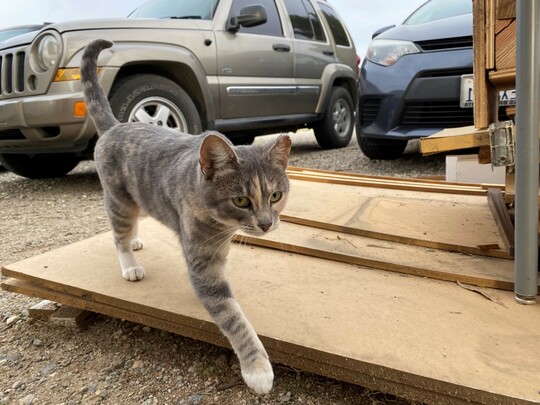.jpg) Apoye programas de gatos comunitarios en Riverside¿Porque esto es importante? Los gatos de la comunidad (también conocidos como gatos callejeros o ambulantes) corren el riesgo de perder la vida simplemente porque han establecido un hogar en su comunidad. En muchos casos, son llevados a refugios locales, donde es poco probable que los adopten porque muchos de ellos no están socializados con la gente. Muchos de estos gatos están prosperando viviendo dentro su cominidad porque alguien en su comunidad los cuida. Ahí es donde entran los programas comunitarios para gatos. Estos programas usan Capturar, Esterilizar y Soltar (CES) para salvar gatos. El proceso es simple: los gatos de la comunidad son atrapados, evaluados por veterinarios, vacunados, esterilizados o castrados. Se les cortan un poco de la puntita de una oreja para identificarlos como esterilizados y devueltos a sus comunidades, sin poder tener gatitos. Hace tres años, en asociación con Best Friends, el Departamento de Servicios para Animales del Condado de Riverside adoptó este enfoque al dar la bienvenida a un programa comunitario para gatos en su ubicación de Coachella Valley Animal Campus. A principios de 2020, se esterilizaron y castraron hasta 10,000 gatos elegibles a través del programa. El trabajo continúa hoy a menor escala debido a las limitaciones físicas y financieras provocadas por la pandemia, dejando a muchos miembros de la comunidad y gatos sin este recurso necesario. Puede ayudar a salvar las vidas de los gatos de la comunidad y apoyar a las personas que los cuidan, abogando por programas comunitarios de gatos y otros esfuerzos para salvar vidas que se implementarán en todo el condado de Riverside. ¡Gracias por apoyar a los gatos comunitarios en su vecindario y por todo lo que hacen por los animales!117 of 200 SignaturesCreated by Carol R.
Apoye programas de gatos comunitarios en Riverside¿Porque esto es importante? Los gatos de la comunidad (también conocidos como gatos callejeros o ambulantes) corren el riesgo de perder la vida simplemente porque han establecido un hogar en su comunidad. En muchos casos, son llevados a refugios locales, donde es poco probable que los adopten porque muchos de ellos no están socializados con la gente. Muchos de estos gatos están prosperando viviendo dentro su cominidad porque alguien en su comunidad los cuida. Ahí es donde entran los programas comunitarios para gatos. Estos programas usan Capturar, Esterilizar y Soltar (CES) para salvar gatos. El proceso es simple: los gatos de la comunidad son atrapados, evaluados por veterinarios, vacunados, esterilizados o castrados. Se les cortan un poco de la puntita de una oreja para identificarlos como esterilizados y devueltos a sus comunidades, sin poder tener gatitos. Hace tres años, en asociación con Best Friends, el Departamento de Servicios para Animales del Condado de Riverside adoptó este enfoque al dar la bienvenida a un programa comunitario para gatos en su ubicación de Coachella Valley Animal Campus. A principios de 2020, se esterilizaron y castraron hasta 10,000 gatos elegibles a través del programa. El trabajo continúa hoy a menor escala debido a las limitaciones físicas y financieras provocadas por la pandemia, dejando a muchos miembros de la comunidad y gatos sin este recurso necesario. Puede ayudar a salvar las vidas de los gatos de la comunidad y apoyar a las personas que los cuidan, abogando por programas comunitarios de gatos y otros esfuerzos para salvar vidas que se implementarán en todo el condado de Riverside. ¡Gracias por apoyar a los gatos comunitarios en su vecindario y por todo lo que hacen por los animales!117 of 200 SignaturesCreated by Carol R.
-
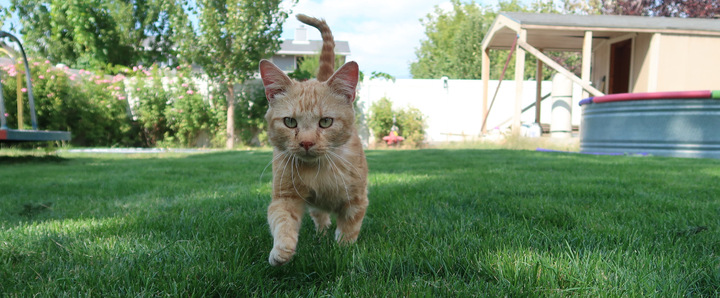 Saving Innocent Cats in Utah CountyIn order to create compassionate no-kill communities and achieve no-kill for cats nationwide, we need communities to support lifesaving programs like Trap-Neuter-Return [TNR]. The process is simple: cats are caught (often by volunteers), evaluated by veterinarians, vaccinated, spayed or neutered, and returned to their original outdoor homes, unable to have kittens. These programs are also proven to be the most cost-effective, veterinarian-approved, and animal-friendly solution for controlling and reducing free-roaming cat populations.472 of 500 SignaturesCreated by Kassie C.
-
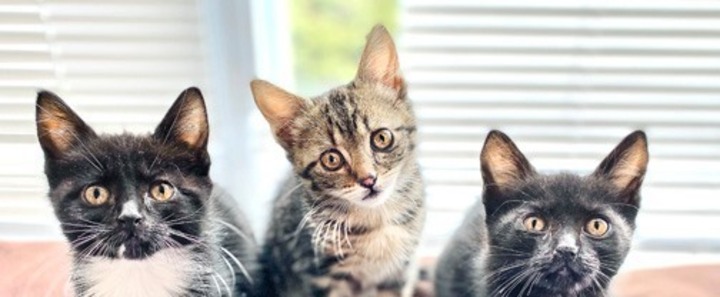 Street Cats Need our HelpIn 2016 I found the West Orange TNVR Program. It took a year and a half to get this approved and an ordinance allowing us to TNVR in West Orange, NJ. Unfortunately, surrounding towns do not do any TNR and it is sad how the population is growing and how these animals are suffering. This can be address with support from our legislatures. West Orange TNVR receives no financial support from the township. We depend strictly on donations and fundraisers. We are all volunteers and home based. To date we have spay/neutered 1086 street cats and adopted 623 kittens and adult cats. We have had inoculation, amputations, wounds and many URI We do all we can to save a life.491 of 500 SignaturesCreated by Judith S.
 -
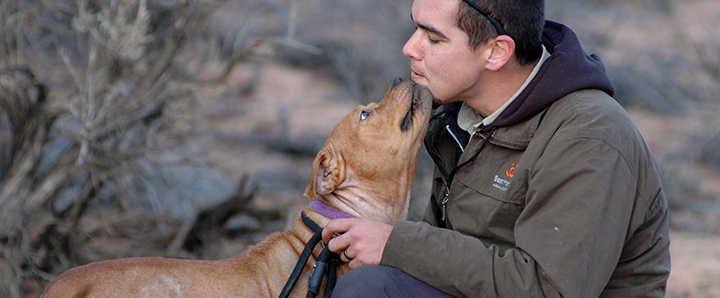 End Dog Breed Bans in KentuckyWe all want safe and humane communities for people and pets. But some government officials in Kentucky wrongly believe that certain breeds of pet dogs are automatically dangerous. This leads to arbitrary and inconsistent decisions where a pet dog can be legal in one city but illegal in the next town. Discriminating against certain dogs based on their alleged breed is an outdated, ineffective approach to public safety. It wastes our money because it’s expensive to enforce and violates our rights as dog owners. It can also lead to families having to give up beloved pets that end up at our animal shelters and risk being put to death. Laws and policies should be fair and consistent. Cities should enact comprehensive breed-neutral ordinances that focus on the behavior of the dog and the behavior of the owner. So far 22 states have passed provisions prohibiting breed discrimination legislation and Kentucky should do the same.111 of 200 SignaturesCreated by 2025 A.
-
 Enact a Humane Pet Store Ordinance in Bolingbrook, IllinoisBolingbrook does not currently have a humane pet store ordinance, which means that pet stores are able to sell pets that come from mass-breeding facilities where profit takes priority over the health, comfort, and welfare of the animals. These facilities produce puppies that are often sick, causing unsuspecting consumers to have to care for a new pet in need of expensive veterinary treatment. Milled puppies can also spread Campylobacter, a dangerous, drug-resistant bacteria that is contagious to humans. Recently, the Centers for Disease Control and Prevention (CDC) traced a multi-state outbreak of Campylobacter to pet store puppies. This is a public health risk in a time where public health should be a top priority. We must learn our lesson from COVID-19: diseases that spread from animals to humans should be taken seriously. We have the opportunity to take action against mass-breeding pet mills, so we should act now to ban the sale of these commercially-bred pets in pet stores. I would like to see Bolingbrook enact a humane pet store ordinance that would prevent local pet stores from being able to sell puppies, kittens, and rabbits from commercial breeding facilities. I am a resident of Bolingbrook, and I care about the safety of animals and the humans interacting with these animals. Now is the time to pass an ordinance that would protect pets, consumers, and public health. Neighboring cities, such as Chicago and Naperville, have passed similar ordinances which could serve as a model for our own ordinance. In fact, 20 localities across Illinois have already enacted similar ordinances. Please consider passing a humane pet store ordinance for Bolingbrook, Illinois. Thank you.911 of 1,000 SignaturesCreated by Isha M.
 -
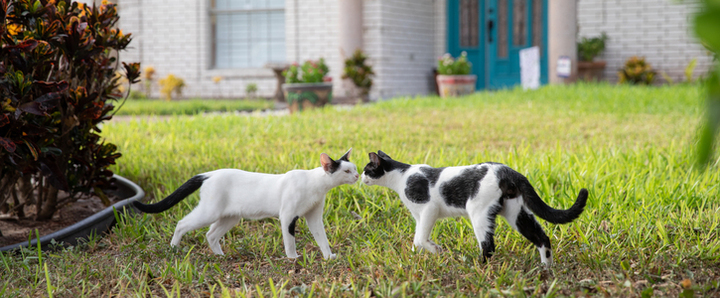 Apoya a los animales y la comunidad de Laredo¿Porque esto es importante? Usted es una parte fundamental para garantizar que las mascotas y las personas tengan acceso a programas y recursos positivos. Es importante que sus representantes sepan que salvar gatos y perros es importante para la gente de Laredo. La buena noticia es que puede ser parte del apoyo a programas positivos que funcionan en Texas. Algunos ejemplos incluyen la programación comunitaria para gatos (ver más abajo), la programación de crianza (para proporcionar alojamiento temporal a las mascotas antes de encontrar sus hogares permanentes) y servicios y recursos progresivos de campo para garantizar que las personas tengan lo que necesitan para mantener a sus mascotas. La comunidad en su conjunto (refugio, mascotas, personas) puede abogar por estos programas y más recursos para crear un cambio para los animales y quienes los cuidan. Más sobre la programación comunitaria de gatos: Los gatos de la comunidad (también conocidos como gatos callejeros o comunitarios) corren el riesgo de perder la vida simplemente porque han establecido un hogar al aire libre. En muchos casos, son llevados a refugios locales, donde es poco probable que los adopten porque muchos de ellos no están socializados con la gente. Ahí es donde entran los programas comunitarios para gatos. Estos programas usan Atrapar- Esterilizar- Regresar (AER o TNR, por sus siglas en inglés) para salvar gatos. El proceso es simple: los gatos de la comunidad son atrapados, evaluados por veterinarios, vacunados, esterilizados o castrados. Se les cortan un poco de la puntita de una oreja para identificarlos como esterilizados y devuelven a sus comunidades, sin poder tener gatitos. Y estos programas ya están funcionando en todo el país. Los habitantes de Laredo merecen los programas de AER (Atrapar- Esterilizar- Regresar), que son respetuosos con los animales, eficiente en costos y reducen la carga que pesa sobre el refugio de animales. -------------------------------- Al abogar por estos programas y continuar colaboración con otras organizaciones comunitarias, puede ser parte de la creación de una comunidad más saludable para las mascotas y las personas. Juntos podemos hacer cambios sostenibles que salven vidas mientras creamos un marco de apoyo para las mascotas de Laredo y las personas que se preocupan por ellas. Gracias por apoyar a los perros y gatos de Laredo.113 of 200 SignaturesCreated by Carol R.
-
 Petition to Reduce Public Health Risk by Passing a Humane Pet Store Ordinance in Oswego, IllinoisOswego does not currently have a humane pet store ordinance, which means that pet stores are able to sell pets that come from mass-breeding facilities where profit takes priority over the health, comfort, and welfare of the animals. These facilities produce puppies that are often sick, causing unsuspecting consumers to have to care for a new pet in need of expensive veterinary treatment. Milled puppies can also spread Campylobacter, a dangerous, drug-resistant bacteria that is contagious to humans. Recently, the Centers for Disease Control and Prevention (CDC) traced a multi-state outbreak of Campylobacter to pet store puppies. This is a public health risk in a time where public health should be a top priority. We have learned that this is a time where a sense of community is more important than ever as we continue to isolate ourselves in order to protect the ones we love. To preserve that sense, we must have trust within our local government to guide us knowing they have our best interests in their minds and hearts. With that said, I believe through this struggle we must learn our lesson from COVID-19: diseases that spread from animals to humans should be taken seriously. We have the opportunity to take action against mass-breeding pet mills, so we should act now to ban the sale of these commercially-bred pets in pet stores. I believe it is in the township’s best interest to curb the spread of new diseases, in order to fulfill their commitment to public safety. I would like to see Oswego enact a humane pet store ordinance that would prevent local pet stores from being able to sell puppies, kittens, and rabbits from commercial breeding facilities. I am a resident of Oswego, and I care about the safety of animals and the humans interacting with these animals. Now is the time to pass an ordinance that would protect pets, consumers, and public health. Neighboring cities, such as Chicago and Naperville, have passed similar ordinances which could serve as a model for our own ordinance. In fact, 20 localities across Illinois have already enacted similar ordinances. Please consider passing a humane pet store ordinance for Oswego, Illinois. Thank you.313 of 400 SignaturesCreated by Isha M.